Pipe Repair for Ansonia and Valley Homes
Precision structural spot repairs on leaking copper, cracked cast iron stacks, and corroded galvanized pipes throughout Ansonia.
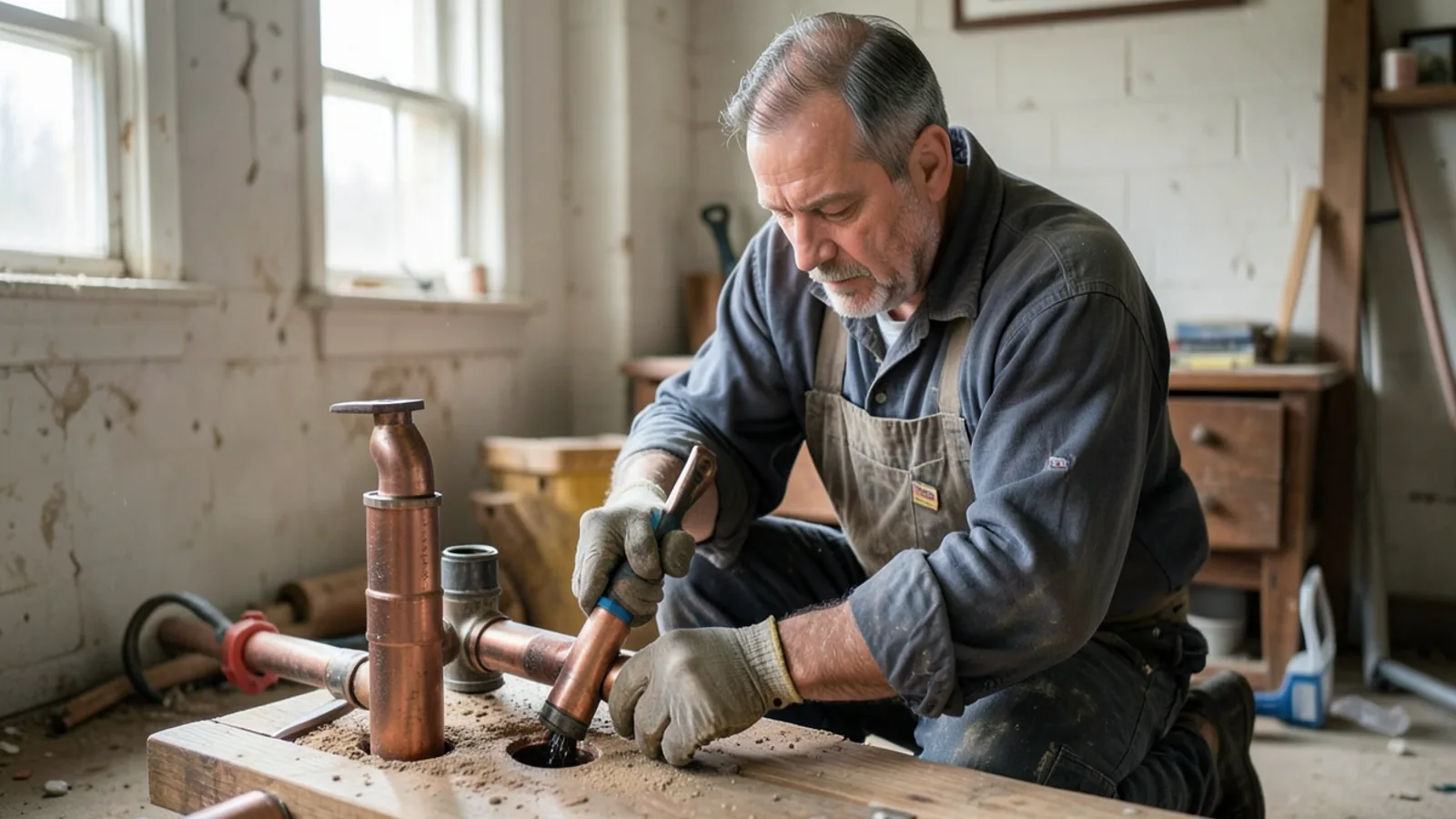
Protecting Ranking Asset: Comprehensive Valley Pipe Repair
Pipe leaks in older residential homes rarely occur in convenient, easily accessible locations. In Ansonia, Derby, and Seymour, pre-1970 housing stock contains multiple generations of mixed plumbing materials: original turn-of-the-century cast iron vertical soil stacks with leaded oakum hub joints, mid-century threaded galvanized iron supply pipes, and fifty-year-old copper tubing joined with vintage leaded solder.
Over decades of thermal expansion, soil shifting, and continuous water velocity, these pipes develop localized failure points. A slow pinhole leak behind a plaster ceiling or inside a finished basement wall can weep silently for months before staining drywall, causing structural wood rot and toxic mold growth. We provide rapid, permanent spot repairs that restore structural integrity without tearing apart your entire home.
Repairing Copper Pinhole Leaks and Velocity Erosion
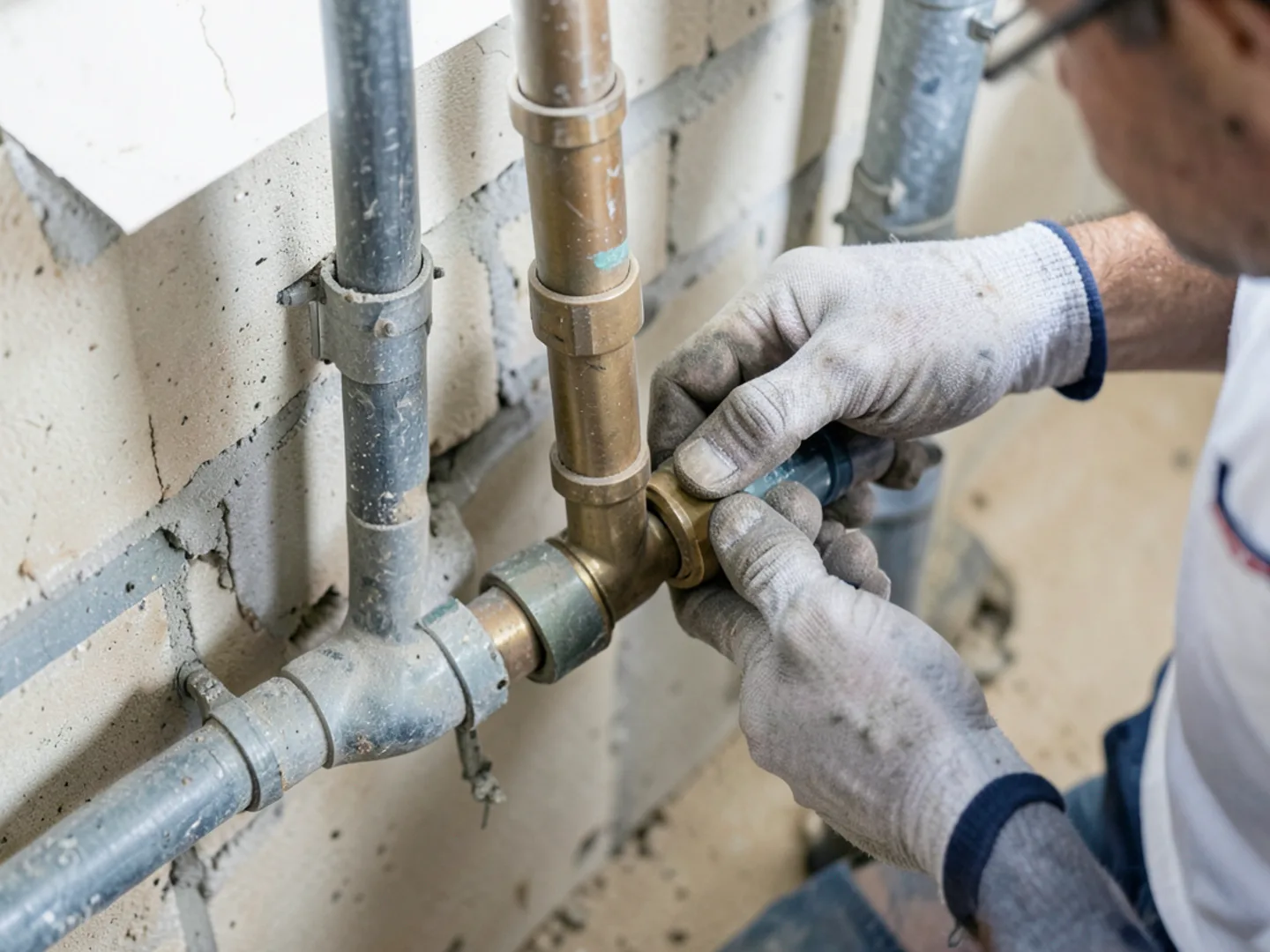
Pinhole leaks in residential copper plumbing typically result from either exterior oxidation or internal pitting corrosion caused by low-pH acidic water or turbulent water flow in undersized lines. When a pinhole develops, temporary clamps or epoxy putty are ineffective short-term measures that simply redirect water along the exterior pipe wall.
Our technicians cut away the damaged copper section cleanly, deburr the pipe interior to eliminate flow turbulence, and install new heavy-gauge Type L copper tubing. We join new pipe using traditional oxygen-acetylene sweat brazing or advanced commercial ProPress mechanical crimp fittings featuring durable EPDM O-rings, creating a permanent joint rated up to 250 PSI without open-flame risks in tight framing cavities.
Cast Iron Soil Stack Fractures and Hub Joint Leaks
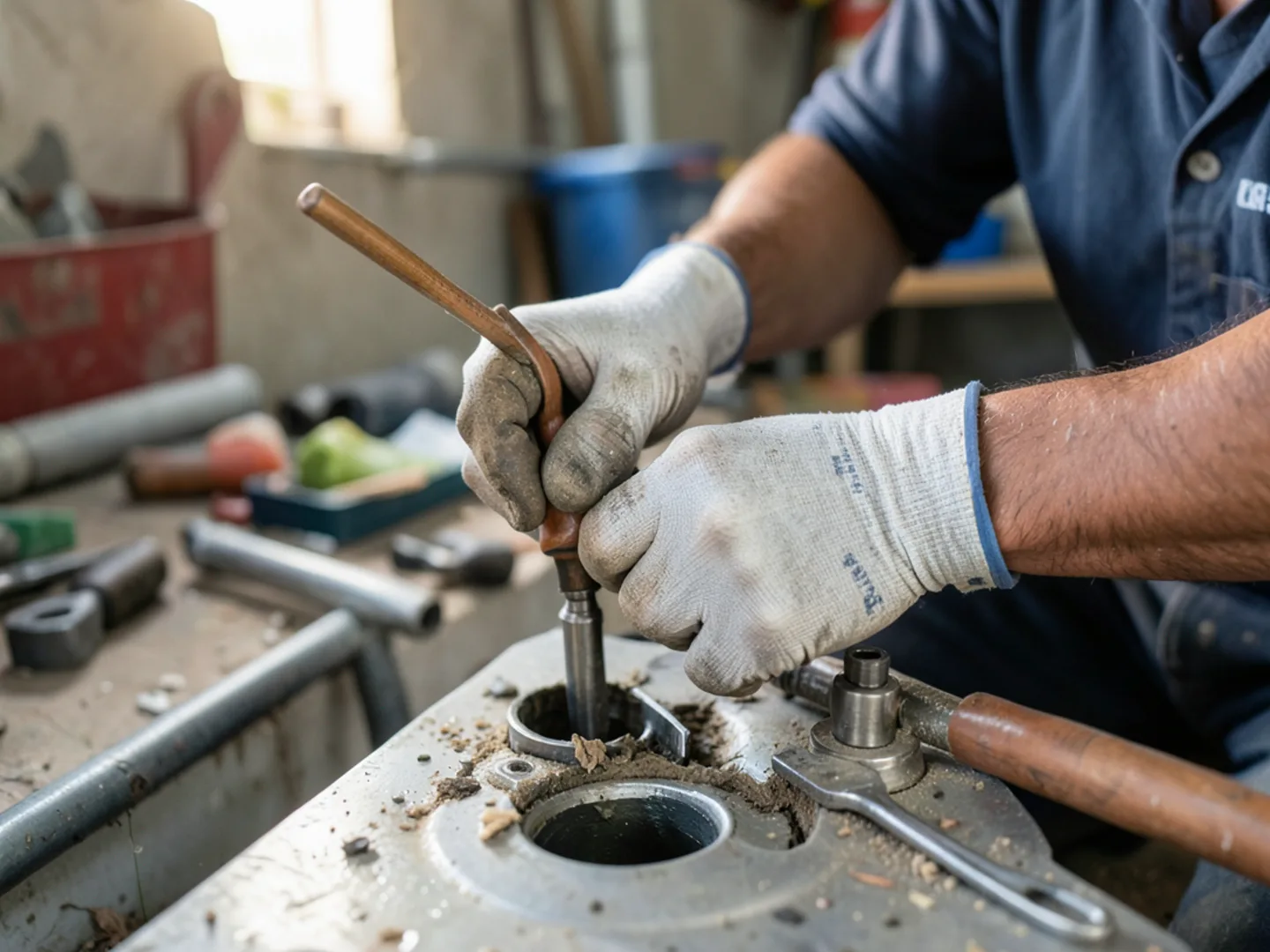
Vintage cast iron drainage stacks are durable, but they suffer from internal rust scaling and vertical stress cracking along mold seams as houses settle. Furthermore, horizontal lead bends beneath vintage second-floor toilets often sag or detach from the cast iron sanitary tee, releasing sewer gas and wastewater into floor joists.
We repair fractured cast iron lines without requiring total stack demolition whenever the surrounding iron remains structurally sound. We cut out damaged sections using specialized hydraulic chain cutters or diamond reciprocating blades, transitioning cleanly to modern Schedule 40 PVC using heavy-duty, stainless steel shielded no-hub couplings (Fernco Proflex couplings) that prevent joint shear and maintain rigid alignment.
Resolving Galvanized Steel Corrosion and Thread Leaks
Threaded galvanized steel pipes corrode from the inside out. Mineral deposits and rust accumulate along interior pipe walls, creating extreme internal friction and narrowing the water path until water pressure drops to a trickle. More critically, threads cut into galvanized pipe wall ends reduce wall thickness by nearly fifty percent, creating natural weak points that snap under minor stress.
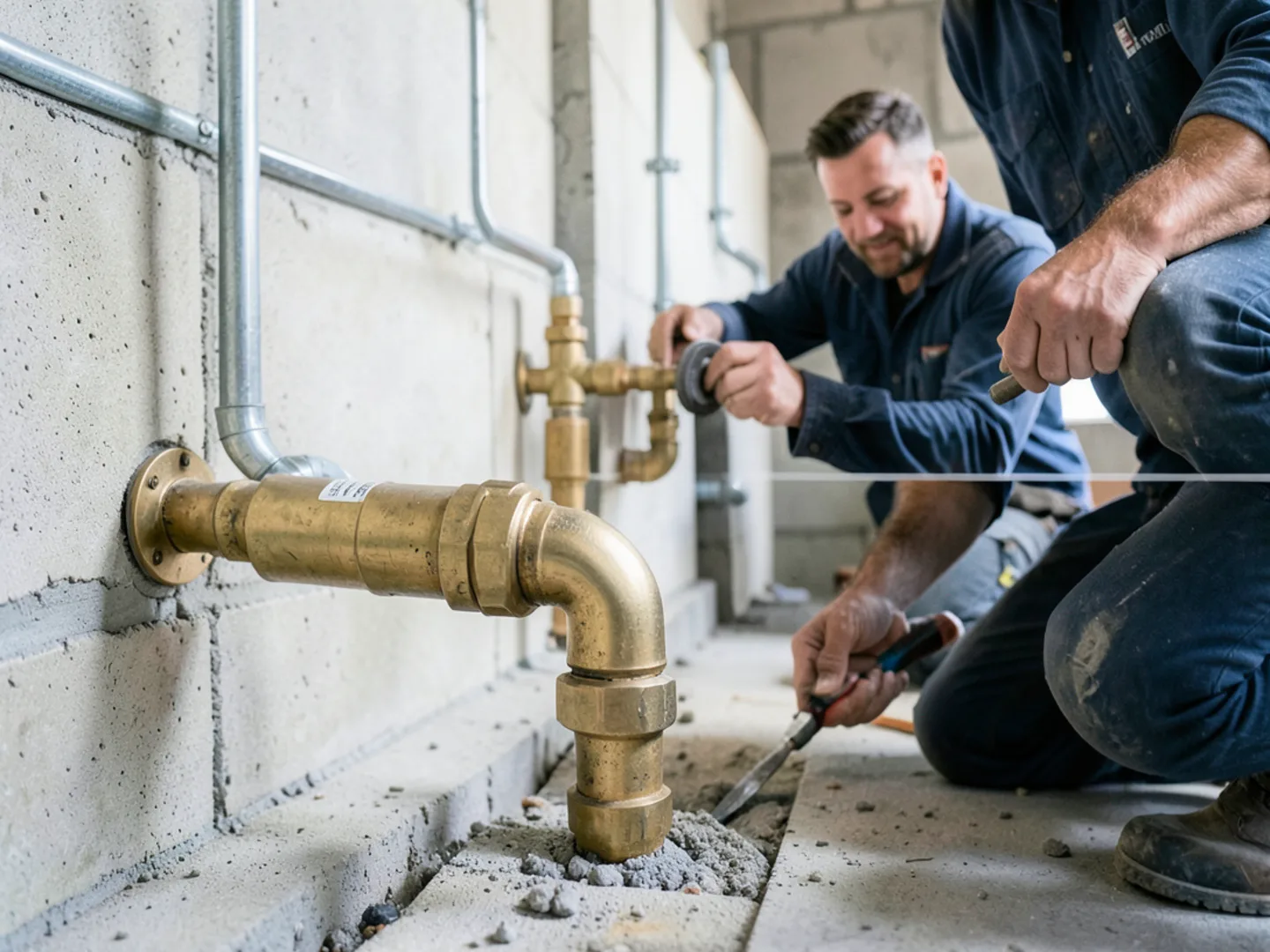
When repairing galvanized sections, we isolate the failure back to a sound threaded union or transition point, replacing the section with smooth-bore PEX-A or copper using dielectric brass transition unions that prevent galvanic corrosion between dissimilar metals.
Diagnosing Common Pipe Materials Across Old Valley Housing
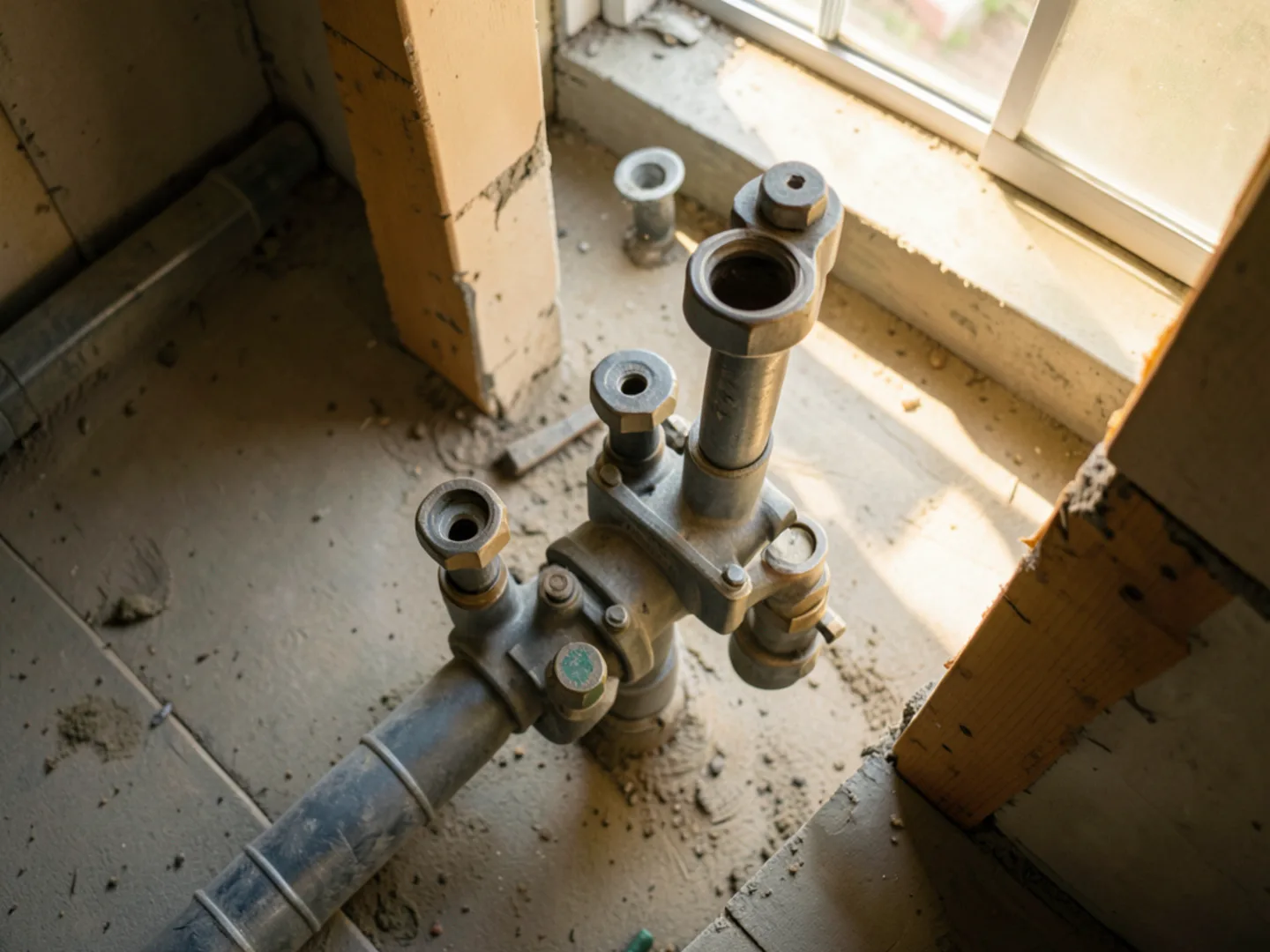
Valley homes feature plumbing systems spanning three centuries of metallurgical development. Homes built before 1930 often utilize threaded galvanized iron supply piping, lead branch waste bends, and cast iron soil stacks. Over decades, galvanized pipes suffer internal tuberculation, reducing water volume to a trickle while developing pinhole leaks at threaded joints.
Copper piping installed between 1940 and 1980 can suffer from localized pitting corrosion caused by acidic well water or velocity wear from oversized circulation pumps. Our technicians evaluate existing pipe materials and select transition fittings designed to eliminate galvanic corrosion when connecting modern materials.
Permanent Mechanical and Soldered Repair Techniques
When repairing ruptured or corroded copper pipe runs, we utilize heavy-duty Type L copper tubing joined with lead-free silver solder or commercial RIDGID press fittings featuring EPDM sealing rings. Press technology provides a permanent mechanical seal without open flame torches, making it ideal for repairs adjacent to dry wood framing.
For horizontal cast iron waste lines with hairline cracks, we install heavy-duty stainless steel shielded transition couplings (Mission or Fernco couplings) that maintain pipe alignment and prevent joint slippage under structural building vibration.
Frequently Asked Questions: Pipe Repair
Pinhole leaks are caused by pitting corrosion from low pH or high-velocity water turbulence, or by galvanic corrosion where copper comes into contact with dissimilar metals or acidic drywall materials.
Need Fast Help with Pipe Repair?
Contact our licensed plumbers on Main Street in Ansonia. Immediate phone guidance and clear written estimates before work begins.