Frozen and Burst Pipe Repair for Valley Homes
Specialized diagnosis, safe thermal pipe thawing, and permanent pipe reconstruction for freeze-damaged plumbing systems across the Naugatuck Valley.
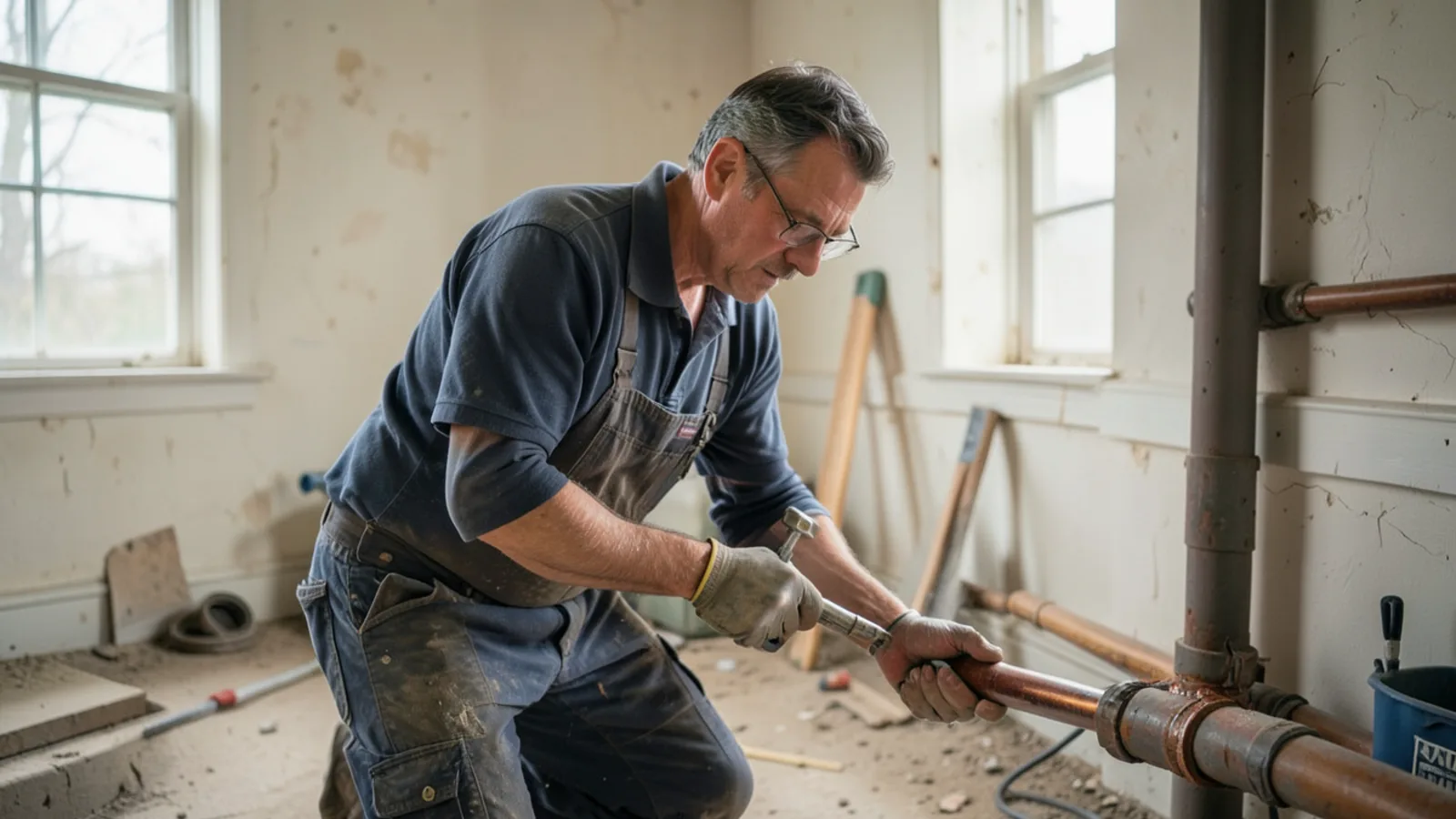
Critical Emergency Safety Steps (Take Action Immediately)
If you have active flooding or a pipe blowout in your Ansonia home, take these steps before doing anything else:
Why Water Pipes Burst During Connecticut Winters
Water expands by approximately nine percent in volume as it transitions from liquid to ice. When water freezes inside a closed domestic plumbing line, the expanding ice plug does not merely press outward against the pipe walls. More destructively, the expanding ice acts as a hydraulic piston, compressing the trapped liquid water between the frozen blockage and closed downstream fixture valves.
This trapped hydraulic pressure easily escalates past several thousand pounds per square inch, far exceeding the tensile strength of copper tubing, threaded galvanized fittings, or rigid plastic connections. The resulting rupture typically occurs downstream from the actual ice blockage, often in an entirely different section of the room.
In Ansonia and neighboring valley towns, deep cold snaps combined with gusting river winds drive frigid drafts through uninsulated foundation sills and balloon-framed exterior wall stud bays. Pipes running along north-facing exterior walls or passing through unheated crawlspaces are particularly vulnerable.
Safe Controlled Thawing Without Fire Hazards
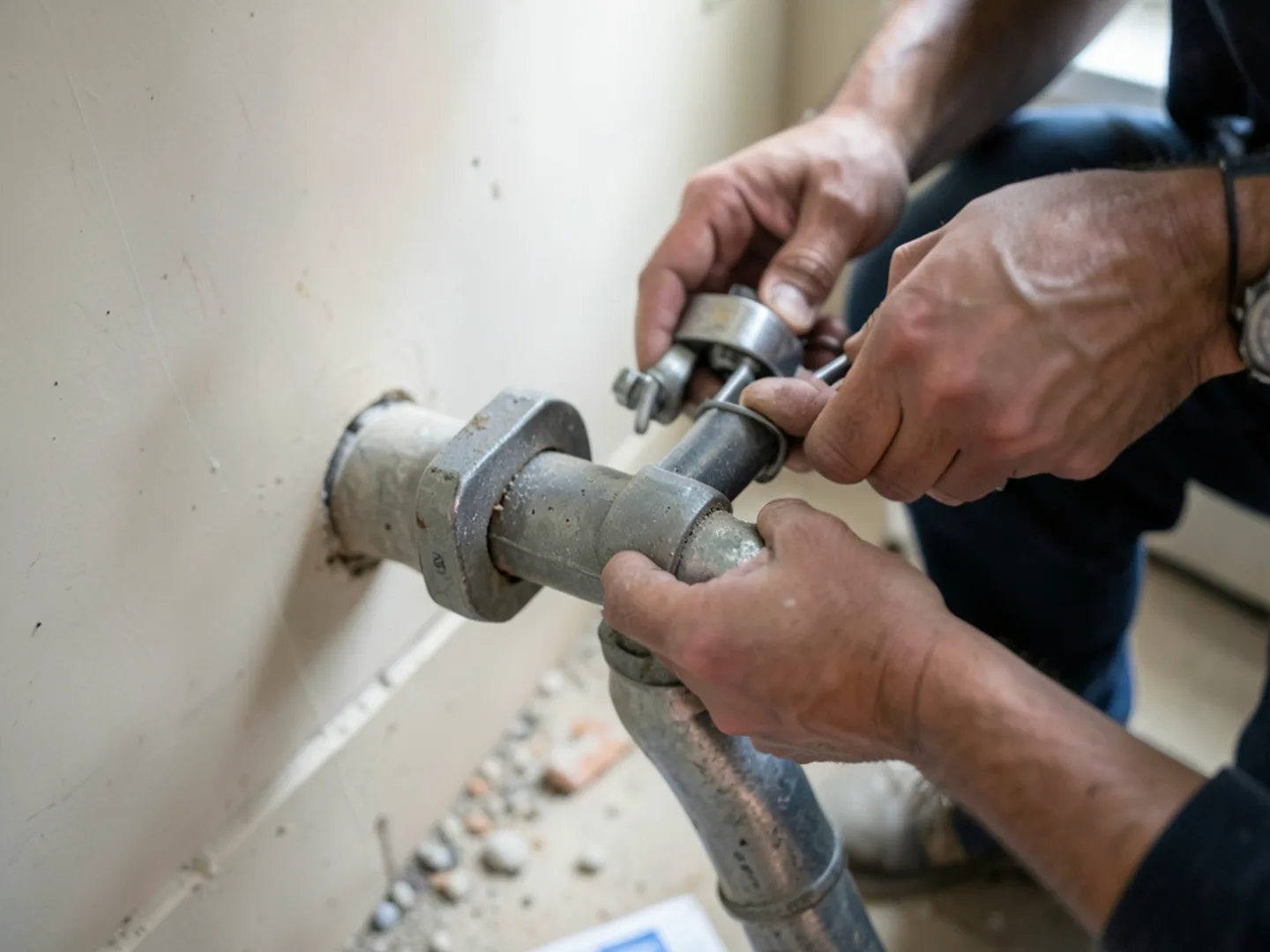
Attempting to thaw frozen plumbing using blowtorches, propane heaters, or open flames is a dangerous mistake that causes hundreds of residential structure fires across New England each winter. In older homes with dry pine balloon framing and historic horsehair plaster or wood lath, open flames can ignite internal wall materials in seconds.
Furthermore, applying intense localized heat directly to a frozen pipe creates extreme steam pressure pockets that can cause the pipe to rupture explosively in your face. Our technicians utilize professional, flameless electrical thawing equipment, controlled thermal convection blankets, and high-output commercial hot-air systems.
We open downstream faucets prior to applying gentle thermal energy, working systematically from the fixture back toward the blockage so that melting water and pressure can escape safely into the drainage system.
Precision Spot Reconstruction and Pipe Splicing
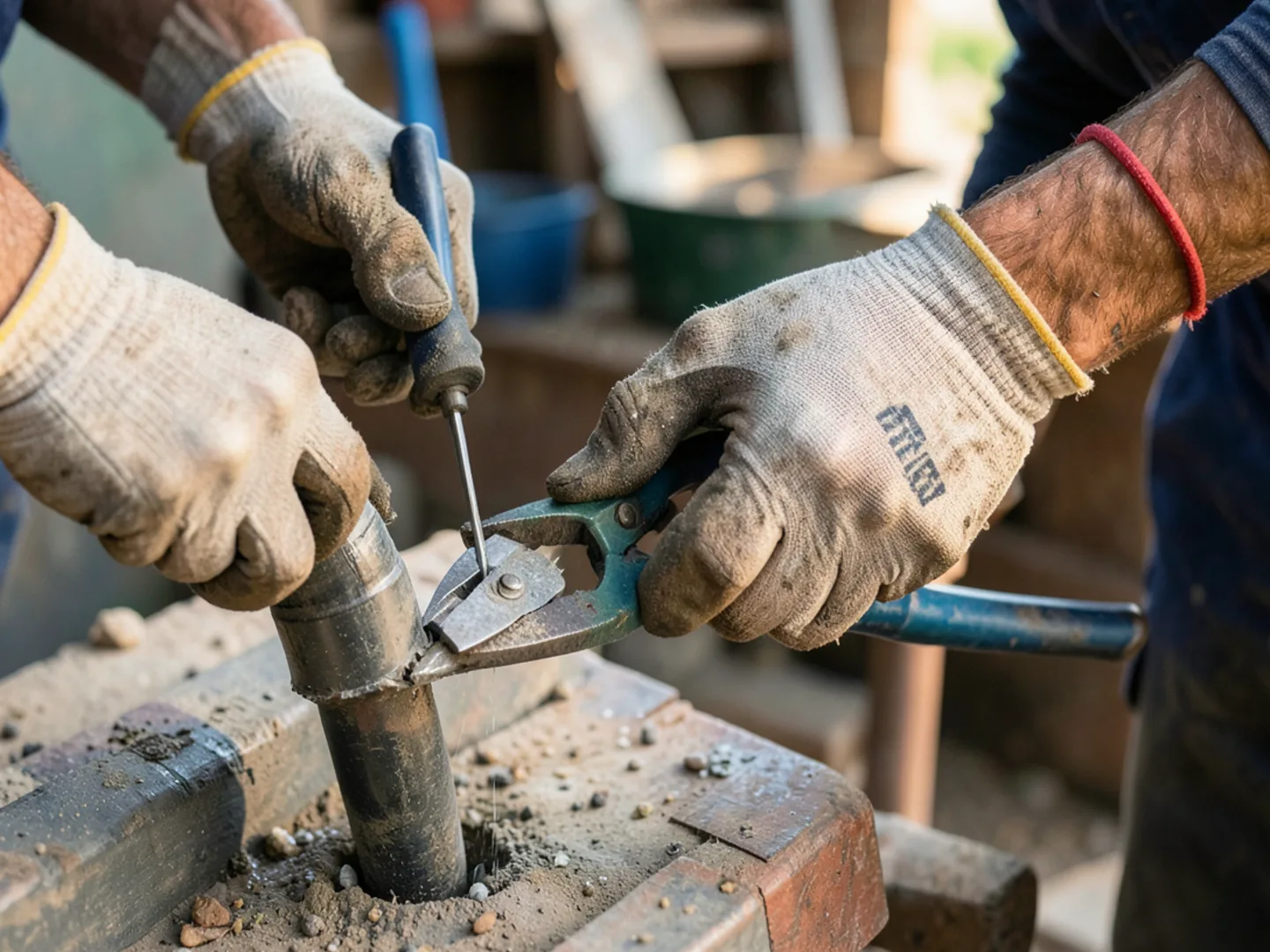
Once the line is thawed and the fracture point is exposed, we evaluate the structural integrity of the surrounding pipe run. Often, cold expansion causes longitudinal hairline stress cracks along several feet of copper tubing that are not visible until pressurized.
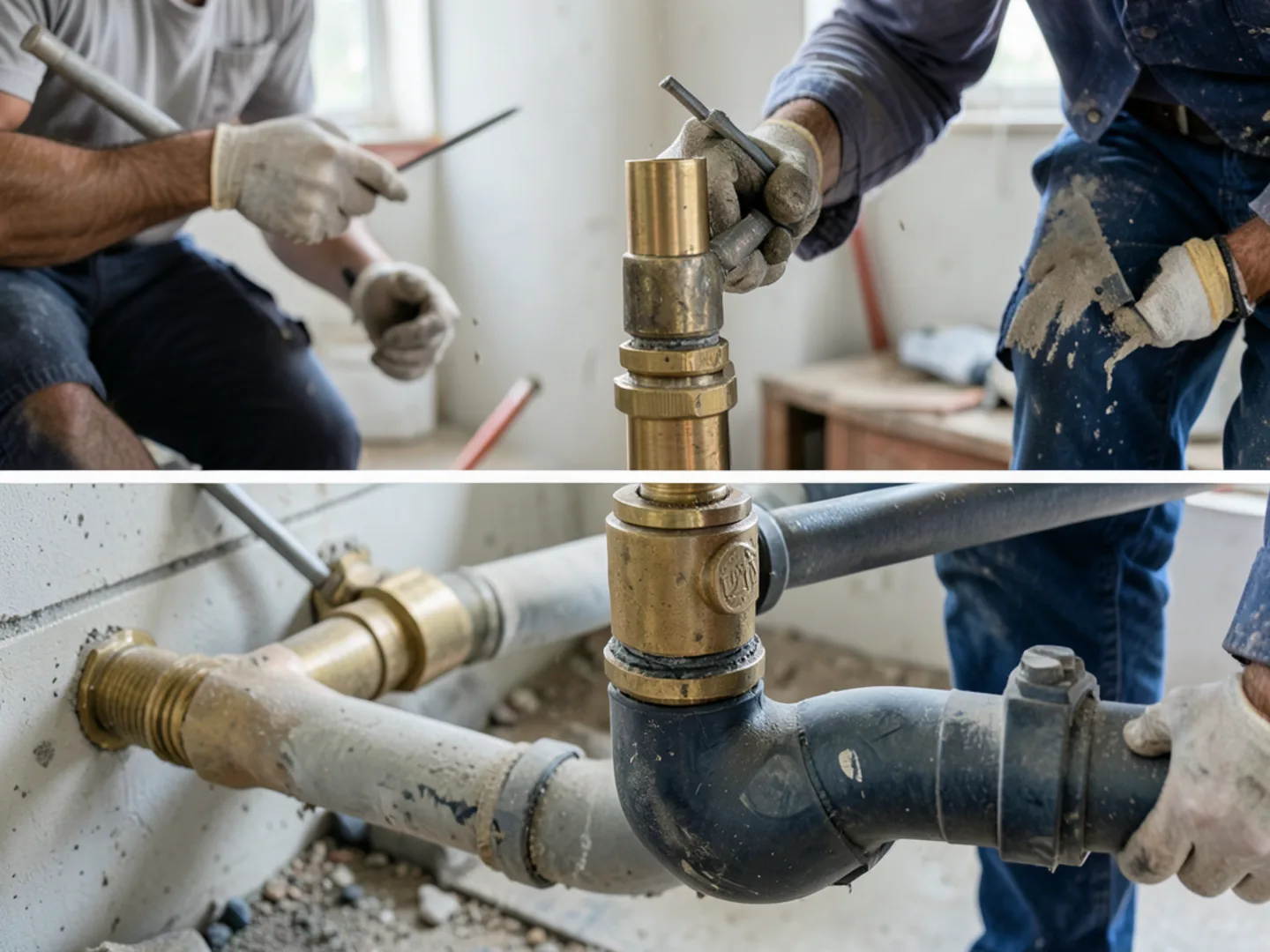
We cut out the split section cleanly using specialized rotary tubing cutters, ream the interior pipe bore to maintain proper hydraulic flow, and inspect for internal mineral calcification. Depending on the installation and wall access, we splice in heavy-wall Type L copper using sweat-brazed fittings or commercial ProPress mechanical joints.
Where older pipe runs pass through high-risk freeze zones, we often replace rigid tubing with Uponor PEX-A expansion piping. PEX-A cross-linked polyethylene possesses thermal memory and elasticity, allowing it to expand slightly during freezing without bursting, providing added resilience against future winter cold snaps.
Preventative Insulation and Long-Term Winter Protection
Repairing the physical break is only the first step. To ensure your home does not suffer repeated pipe blowouts during subsequent freeze-thaw cycles, we identify the exact draft pathways that caused the failure. We install thick closed-cell elastomeric foam insulation around exposed supply pipes, seal rim joist penetrations with expanding foam, and advise on interior air circulation improvements.
We also inspect exterior hose bibs (sillcocks) to ensure outdoor spigots have functioning interior shutoff valves or are replaced with modern frost-free sillcocks that terminate the shutoff seat twelve inches deep inside the warm basement envelope.
Mechanical Failure Modes in Frozen Copper and Galvanized Lines
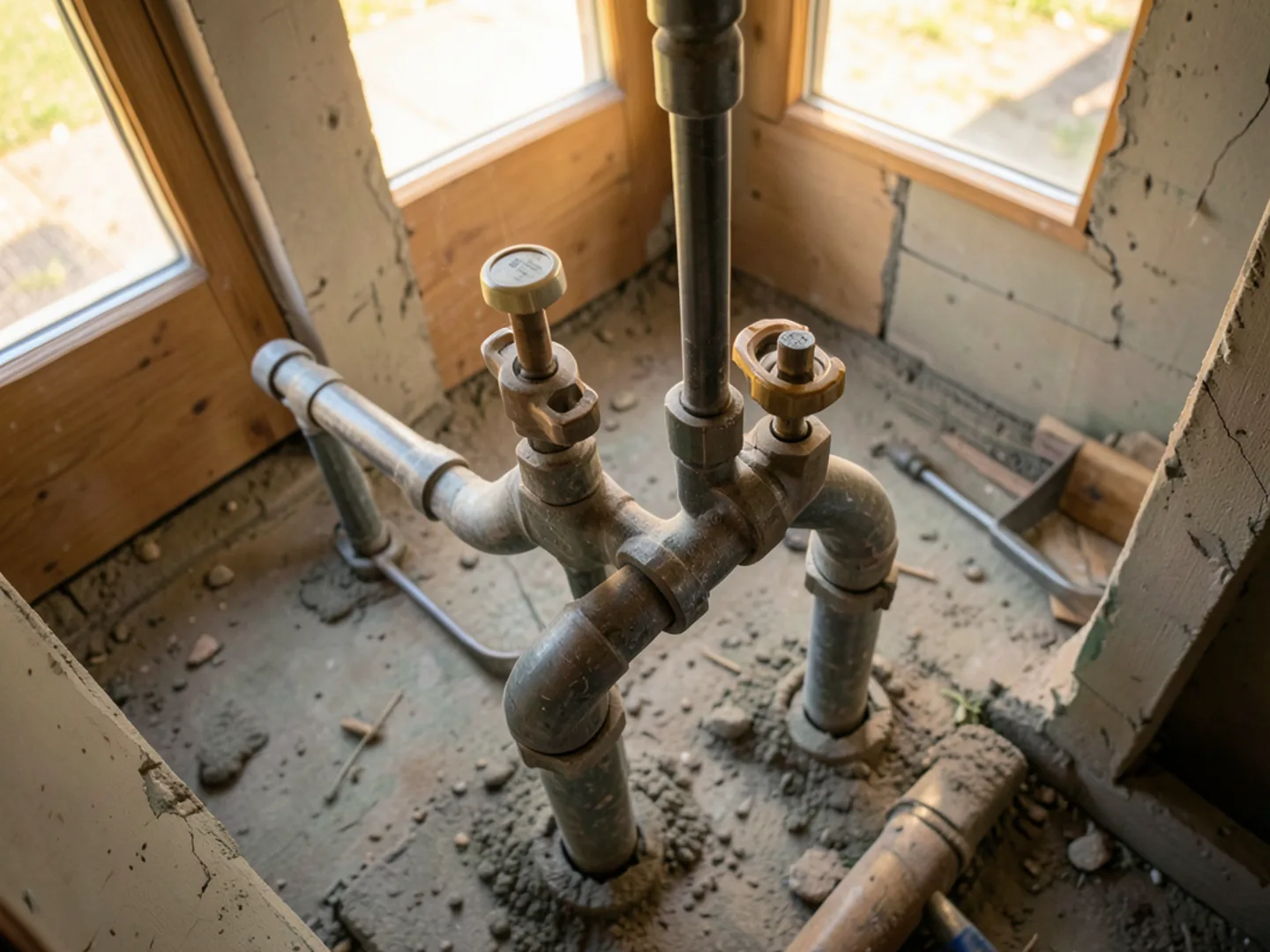
When water inside a closed pipe freezes, the primary cause of pipe failure is not the expanding ice at the freezing point itself, but the massive hydraulic pressure spike trapped between the ice blockage and a closed downstream faucet or check valve. This pressure can climb past three thousand pounds per square inch, exceeding the tensile limit of copper solder joints and pipe walls.
Older homes in Ansonia with original threaded galvanized iron supply lines face unique failure patterns. Decades of internal mineral accumulation weaken the pipe wall from the inside out, causing threads to split cleanly at fitting collars when ice expands. Our service trucks carry complete inventories of heavy-duty mechanical repair couplings, brass transition unions, and modern cold-expansion PEX-A piping to replace damaged sections immediately.
Safe Thawing and Pressure Restoration Steps
Thawing frozen pipes requires controlled thermal application to prevent thermal shock and catastrophic steam buildup. We strictly prohibit the use of open flame propane torches, which present an unacceptable fire danger in dry mill-era timber framing. Instead, our technicians utilize commercial variable-output electrical resistance thawing machines and high-output industrial warm-air circulation fans.
We open downstream faucets slightly before beginning the thawing process, allowing melting water and trapped steam to relieve pressure. As water flow resumes, our technician monitors the entire pipe run to verify that concealed pinhole fractures or split joints do not release water inside enclosed floor assemblies.
Frequently Asked Questions: Burst Pipe Repair
The earliest symptom is a sudden drop in water pressure or a complete lack of flow from a faucet during freezing weather. You may also hear unusual knocking or whistling sounds when turning on a valve, or observe frost forming on exposed basement pipes.
Need Fast Help with Burst Pipe Repair?
Contact our licensed plumbers on Main Street in Ansonia. Immediate phone guidance and clear written estimates before work begins.