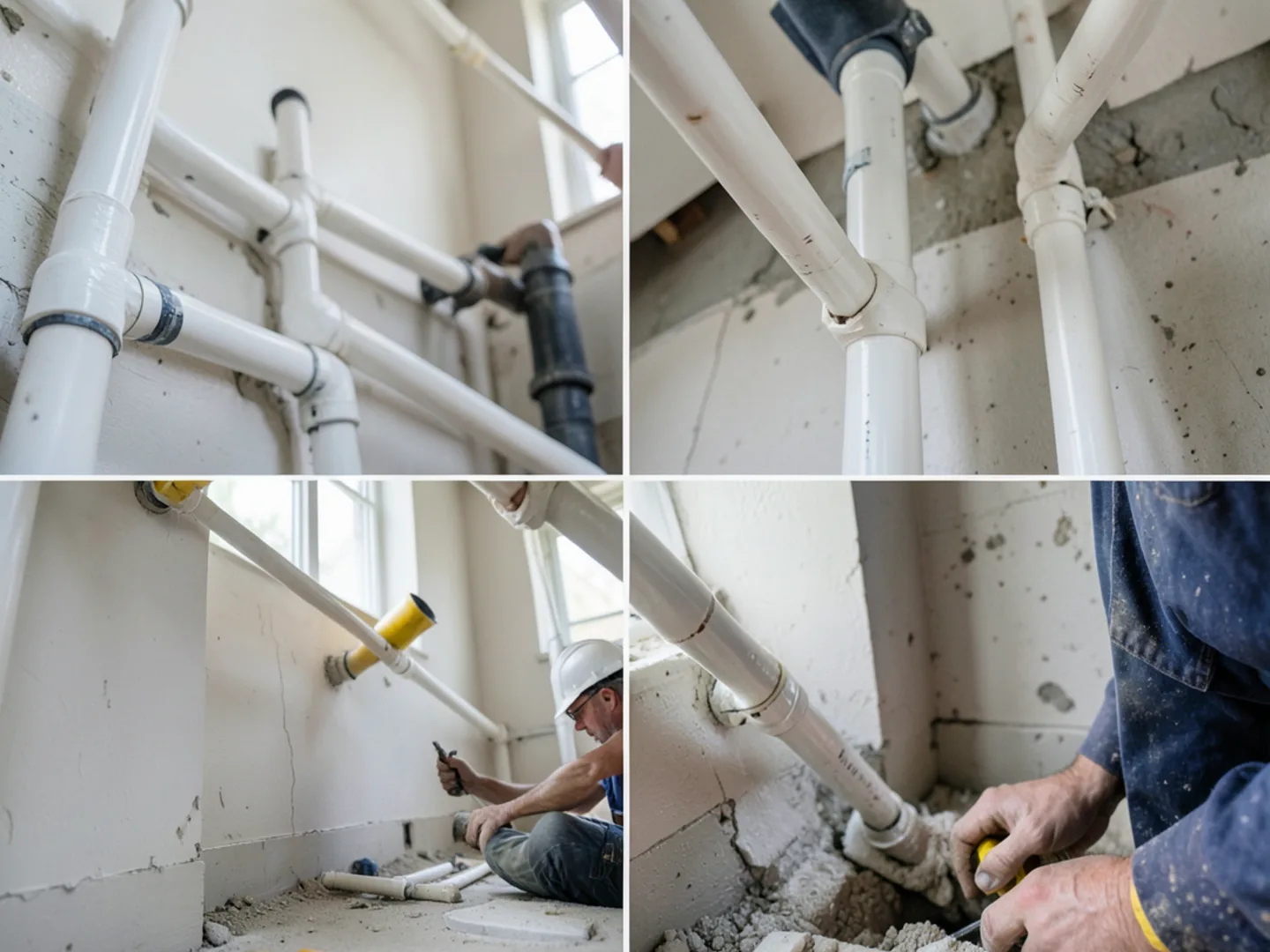
Galvanized Pipes, Low Pressure and When to Repipe
Why century-old galvanized steel pipes rust internally, cause brown drinking water, and choke household water pressure in Valley homes.
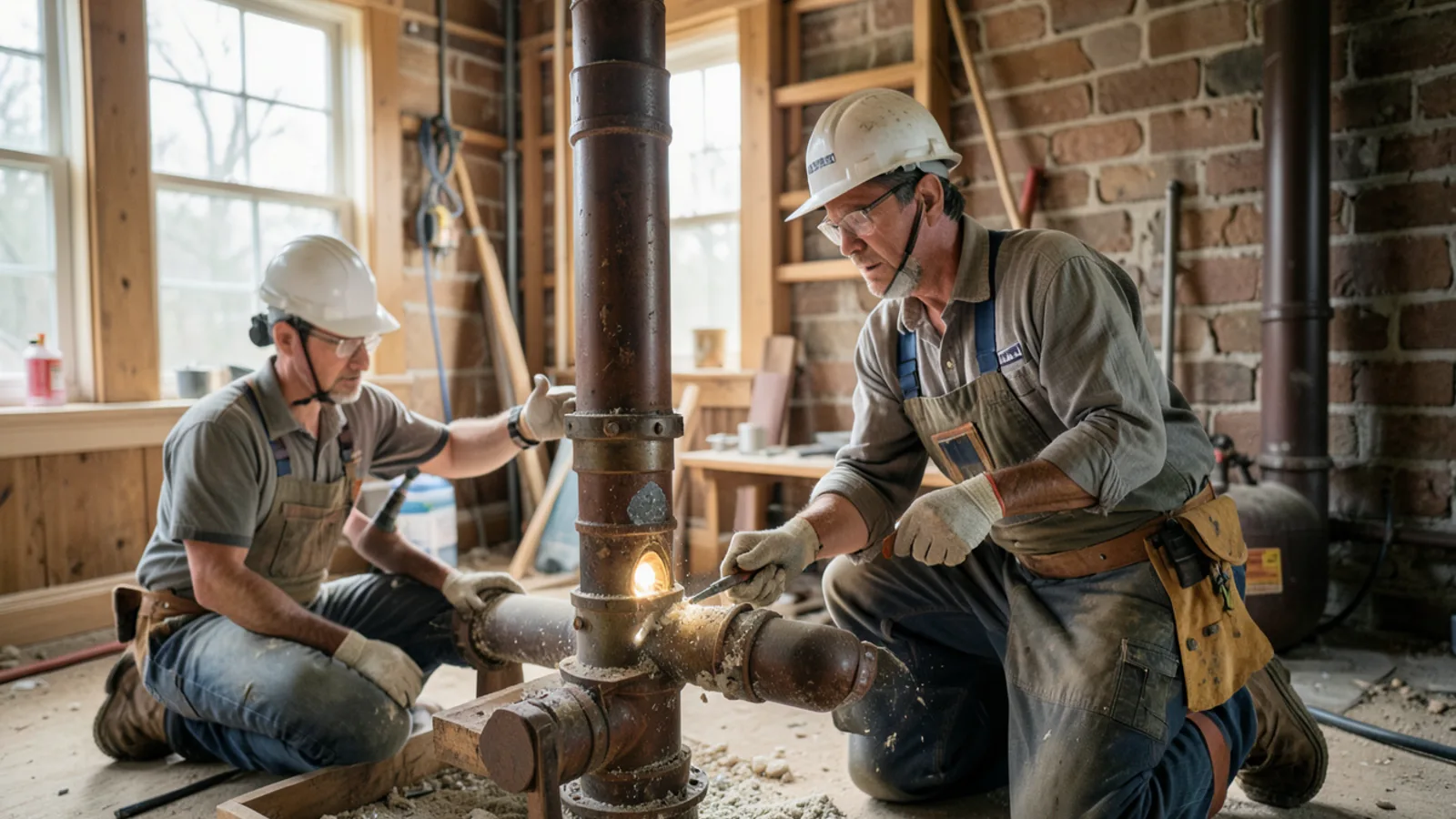
The Hidden Decay Inside Galvanized Steel Pipes
From the late 1800s through the mid-1950s, galvanized iron pipe was the dominant material used for residential drinking water lines across Connecticut. Coated in zinc, these pipes appeared rugged and durable. However, zinc coatings deteriorate after thirty to forty years, exposing the underlying steel to continuous oxygen and water.
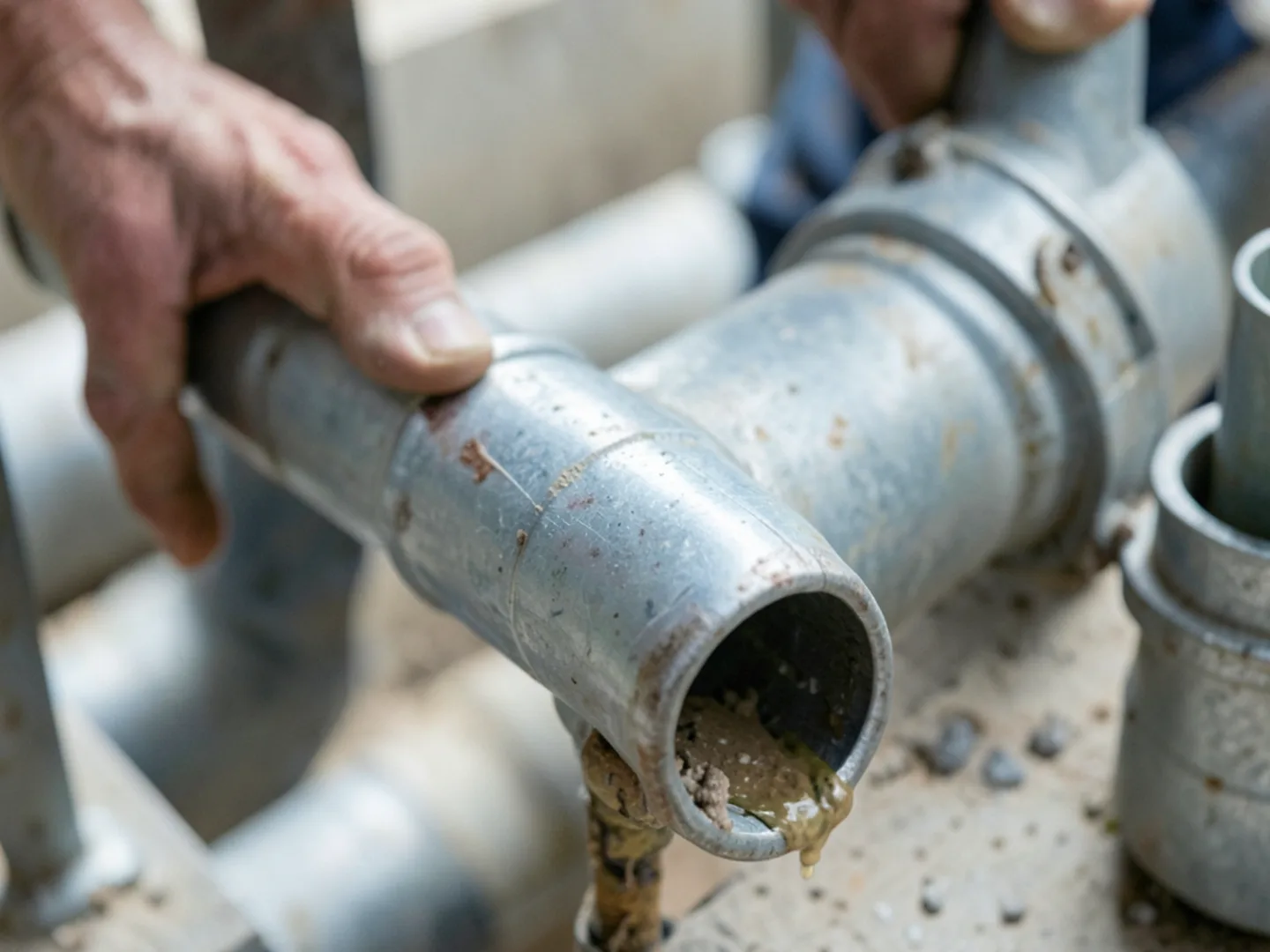
The resulting chemical reaction causes internal tuberculation—jagged rust nodules and mineral deposits that build inward along the pipe walls. While a galvanized pipe may look solid on the exterior, its internal diameter frequently shrinks from one inch to the thickness of a drinking straw.
Symptoms of Advanced Galvanized System Failure
Three primary symptoms indicate your galvanized piping has failed:
1. Low Dynamic Water Pressure: Water pressure seems acceptable when one faucet runs, but drops to a trickle the moment someone flushes a toilet or starts laundry.
2. Brown or Red Discolored Water: Water drawn first thing in the morning runs orange or rust-tinted for several seconds as rust flakes break loose.
3. Frequent Thread Fractures: Pinholes and weeping water appear near threaded pipe joints where the pipe wall was cut thin during installation.
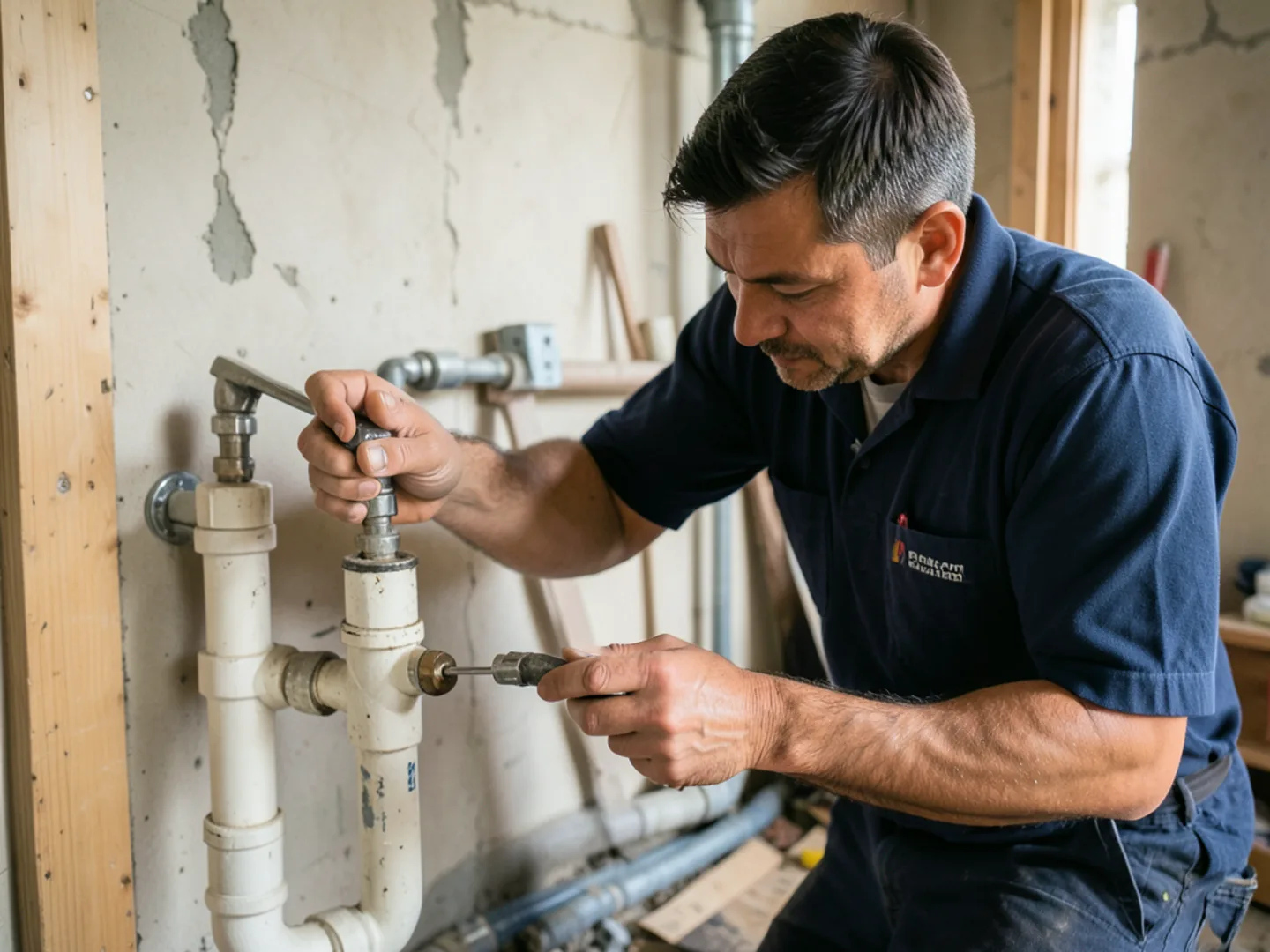
The Permanent Remedy: Modern PEX-A Repiping
Pouring chemical descalers through galvanized pipes accelerates leaks by dissolving the rust that is currently sealing thin pipe walls. The only reliable permanent solution is whole-house repiping with Uponor PEX-A expansion tubing, restoring clean drinking water and full municipal water volume.