
Why Pipes Freeze in Old Valley Homes and How to Stop It
Detailed practitioner guide explaining why pre-1970 balloon framing, uninsulated rim joists, and outside wall chases freeze in the Naugatuck Valley.
The Physics of Winter Pipe Freezing in the Naugatuck Valley
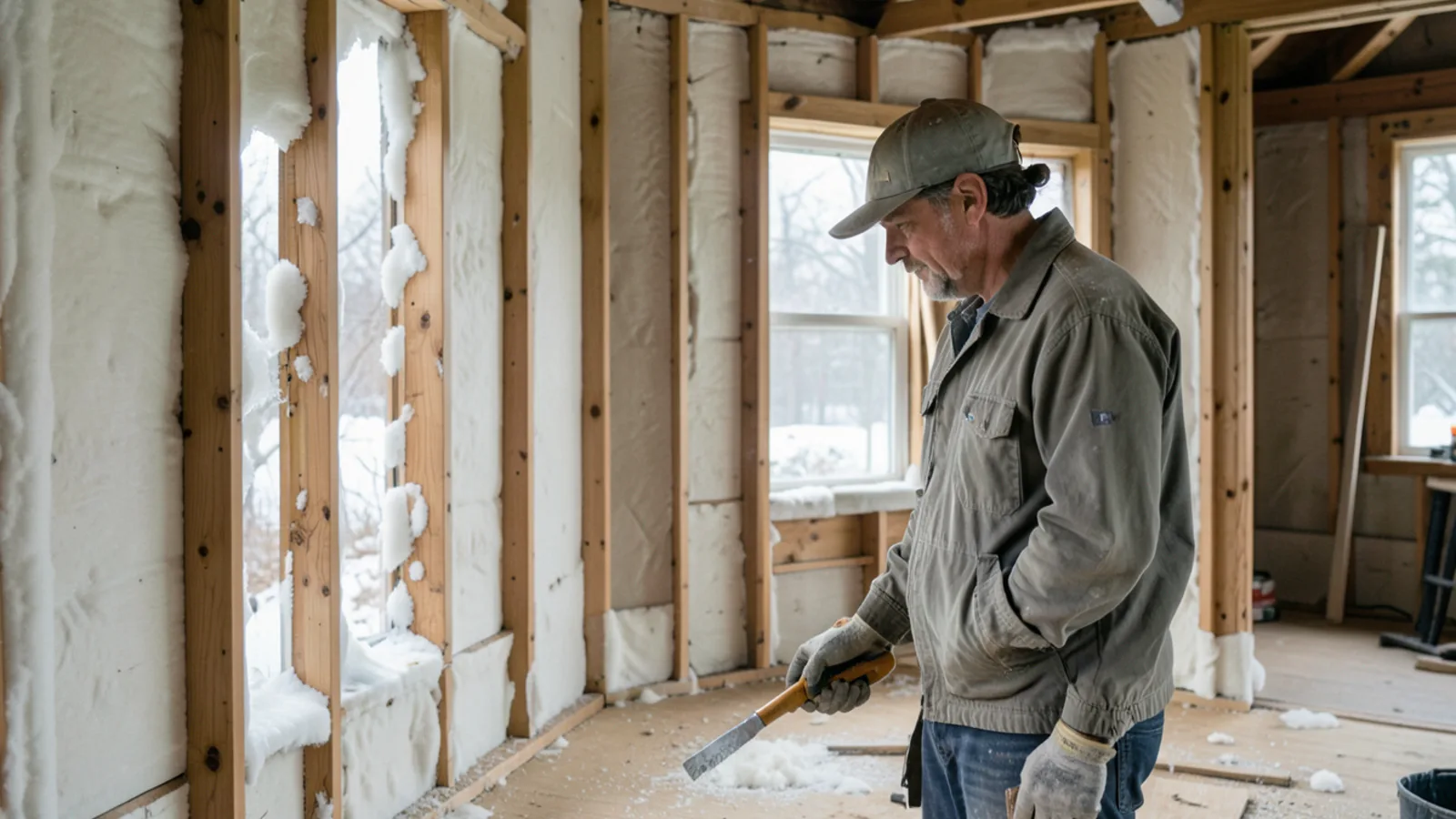
Winter along the Naugatuck River brings prolonged sub-freezing temperatures, with January lows averaging 23.6 degrees Fahrenheit. While modern homes feature sealed building envelopes and continuous exterior insulation, roughly ninety percent of residential structures in Ansonia, Derby, and Seymour predate 1970.
The predominant construction style of this era—balloon framing—creates open, continuous vertical wall cavities that extend from the fieldstone foundation sill all the way to the attic rafters. Without modern horizontal fire-blocking, freezing winter drafts blow directly across domestic copper and galvanized water pipes concealed within exterior walls.
Vulnerable Freeze Zones in Vintage Valley Architecture
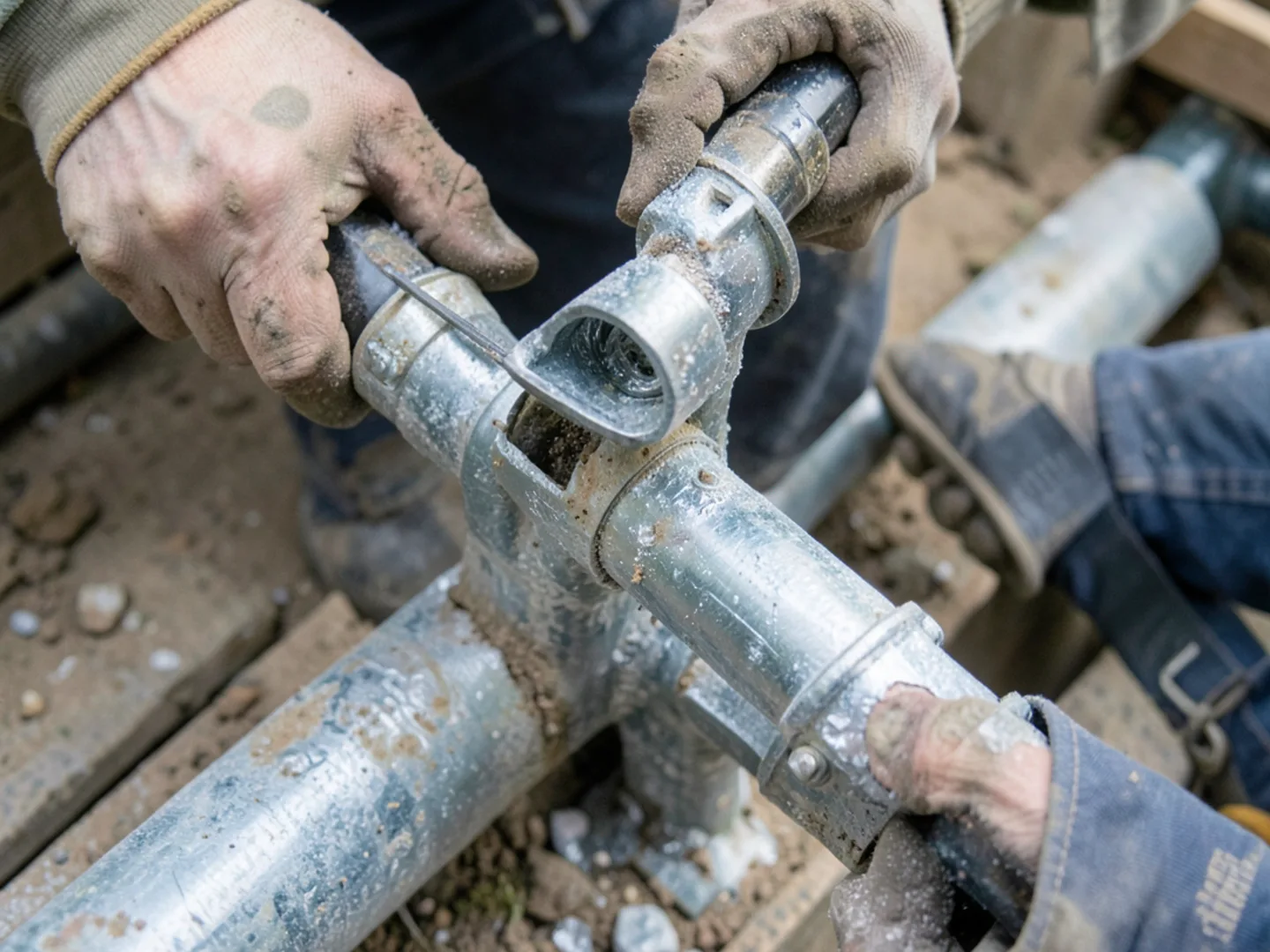
Plumbing pipes rarely freeze in the center of a heated living room. In vintage valley homes, freeze ruptures concentrate in four specific structural locations:
1. Exterior Wall Chases: Kitchen sink supply pipes and second-floor bathroom risers routed through outside-facing walls.
2. Uninsulated Foundation Rim Joists: Supply lines running along the top of the foundation wall where outdoor air infiltrates sill plates.
3. Unheated Basement Corners and Crawlspaces: Sections of basement far from the central boiler or furnace, particularly under porches.
4. Outdoor Hose Bibs (Sillcocks): Spigots left connected to garden hoses, which traps water inside the brass casting.
Safe Thawing vs. Dangerous Mistakes
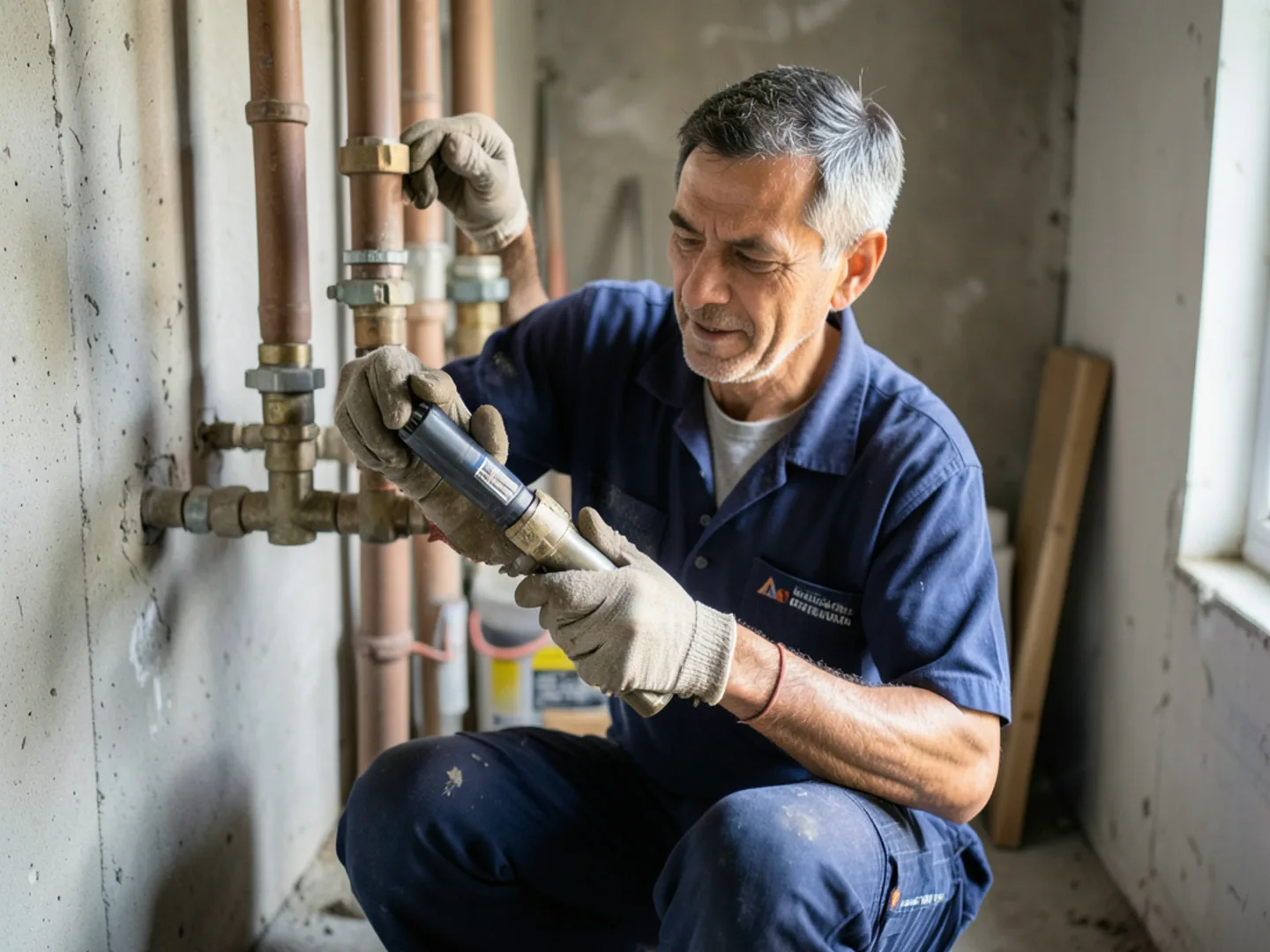
If you open a faucet on a freezing morning and get only a trickle, your pipes are frozen. Take immediate action, but avoid dangerous methods:
Never use an open flame blowtorch or high-intensity propane heater. In dry wood framing, open flames ignite wall lath in seconds and create localized steam pockets that can burst the pipe explosively.
Instead, open the faucet fixture so melting water and expanding pressure can escape. Apply gentle, controlled heat using a commercial hair dryer, portable electric ceramic heater, or warm thermal blankets wrapped around the pipe, working from the fixture back toward the blockage.
Long-Term Freeze Prevention Checklist
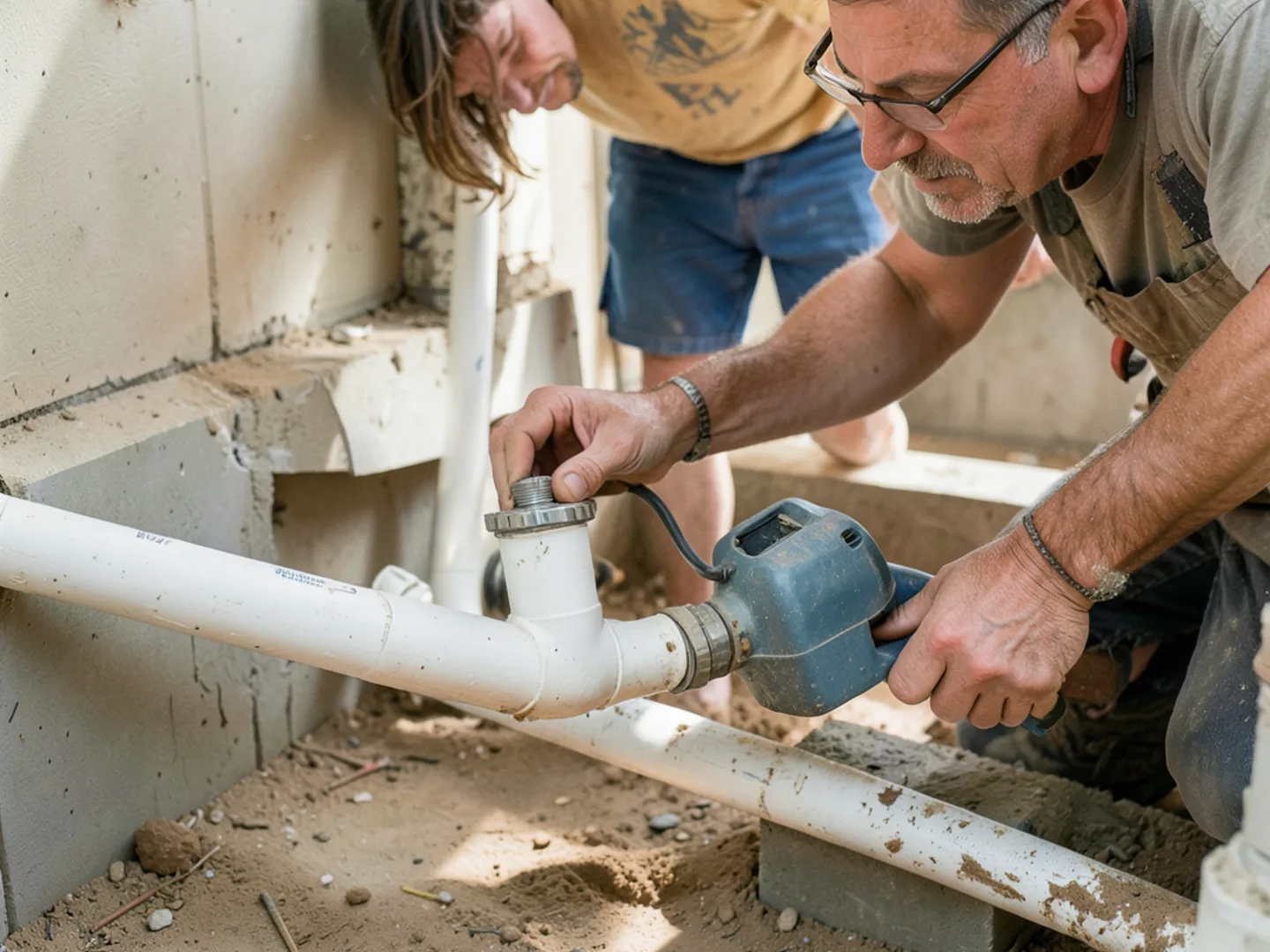
Permanent freeze defense requires eliminating draft corridors and installing proper thermal insulation. Fit high-density closed-cell elastomeric foam pipe insulation on all exposed water lines. Seal foundation rim joist gaps with expanding polyurethane foam, and install frost-free hose bibs with interior isolation valves.