Sewer Line Repair and Replacement for Valley Homes
Comprehensive sewer lateral repair, pipe rehabilitation, and complete trenchless or open-cut sewer replacement compliant with Ansonia WPCA regulations.
Sewer Lateral Ownership and Valley Infrastructure Realities
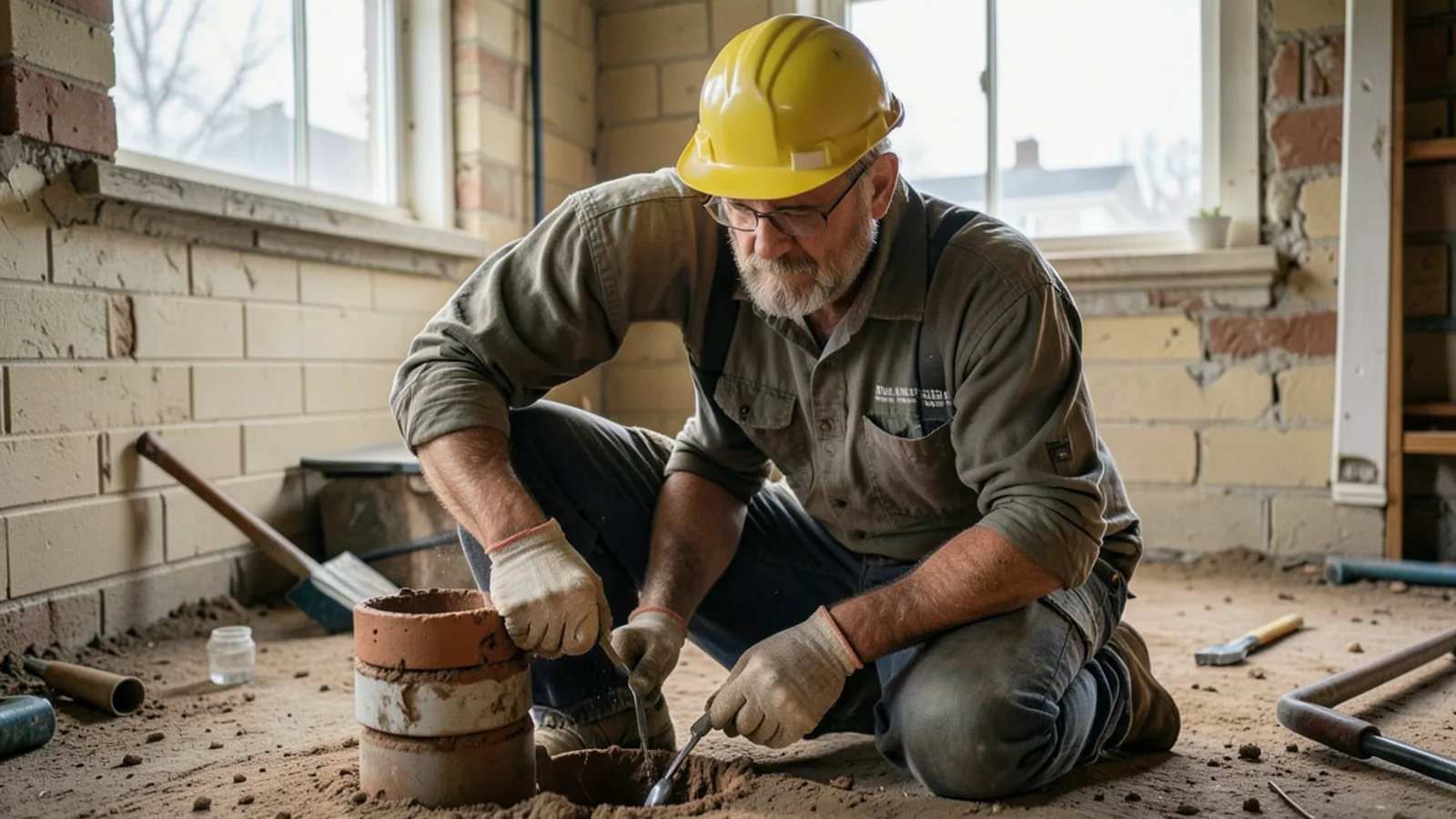
Under municipal regulations enforced by the Ansonia Water Pollution Control Authority (WPCA), the property owner is entirely responsible for the maintenance, repair, and replacement of the private sewer lateral from the building foundation wall all the way to the connection tap at the municipal sewer main in the street. This legal boundary applies across Derby, Seymour, and Shelton as well.
In older valley neighborhoods, sewer laterals were originally installed using vitrified clay pipe or bituminous fiber (Orangeburg) piping. Over sixty to one hundred years of continuous soil settlement, vehicle vibration along steep hillside roads, and severe freeze-thaw soil movement, these materials experience joint dislocation, longitudinal shear cracks, bellies (low spots where water pools), and complete structural collapses.
Diagnostic Evaluation and Repair vs. Replacement Decision
When sewer backups recur frequently or sinkholes appear in residential yards, replacing the entire lateral is not always necessary. Our technicians begin with a high-definition color sewer camera survey coupled with a 512 Hz radio sonde locator. We track the camera head above ground to mark the precise depth, pitch, and physical location of pipe damage.
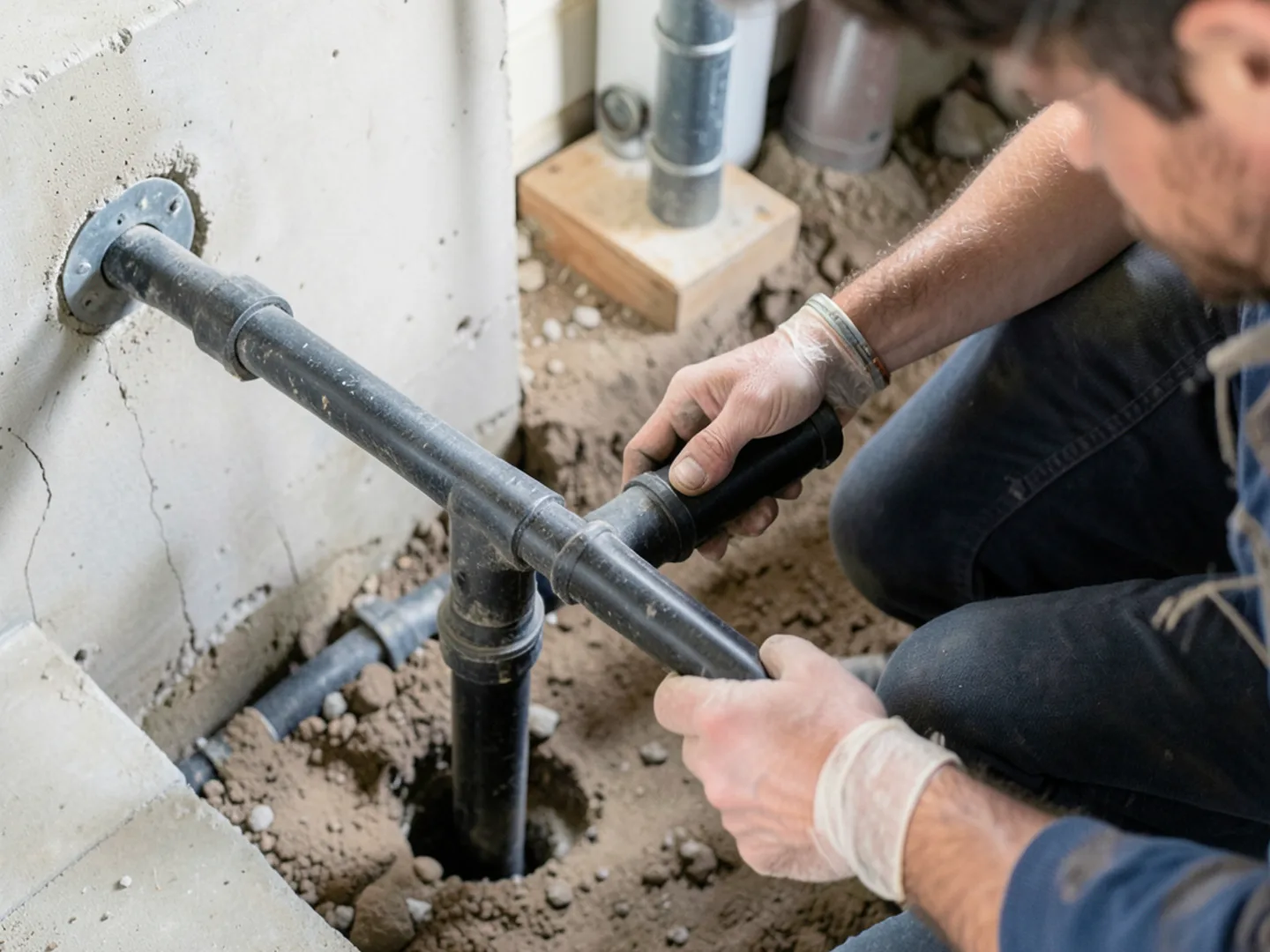
If the failure is localized to a single offset joint or root puncture beneath an easily accessible lawn area, we can perform a targeted point repair. We excavate only the damaged section, replace it with heavy-gauge SDR-35 or Schedule 40 PVC, and connect to existing sound pipe using heavy-duty shielded stainless steel transition couplings. However, if the camera reveals widespread bellies, extensive structural crushing, or multiple broken joints along the entire run, full lateral replacement is the only reliable long-term investment.
Modern Replacement Methods: Trenchless vs. Open-Trench Excavation
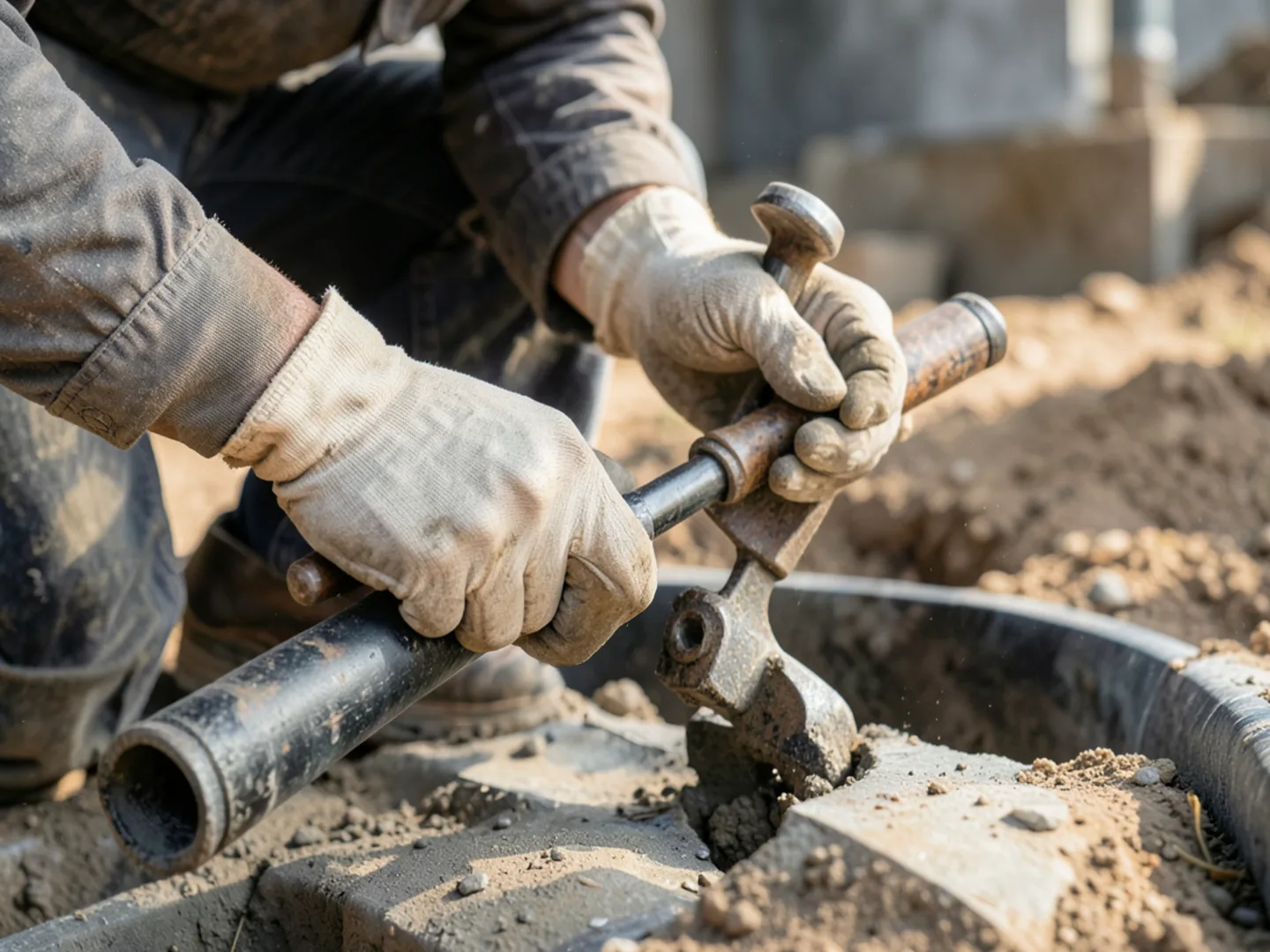
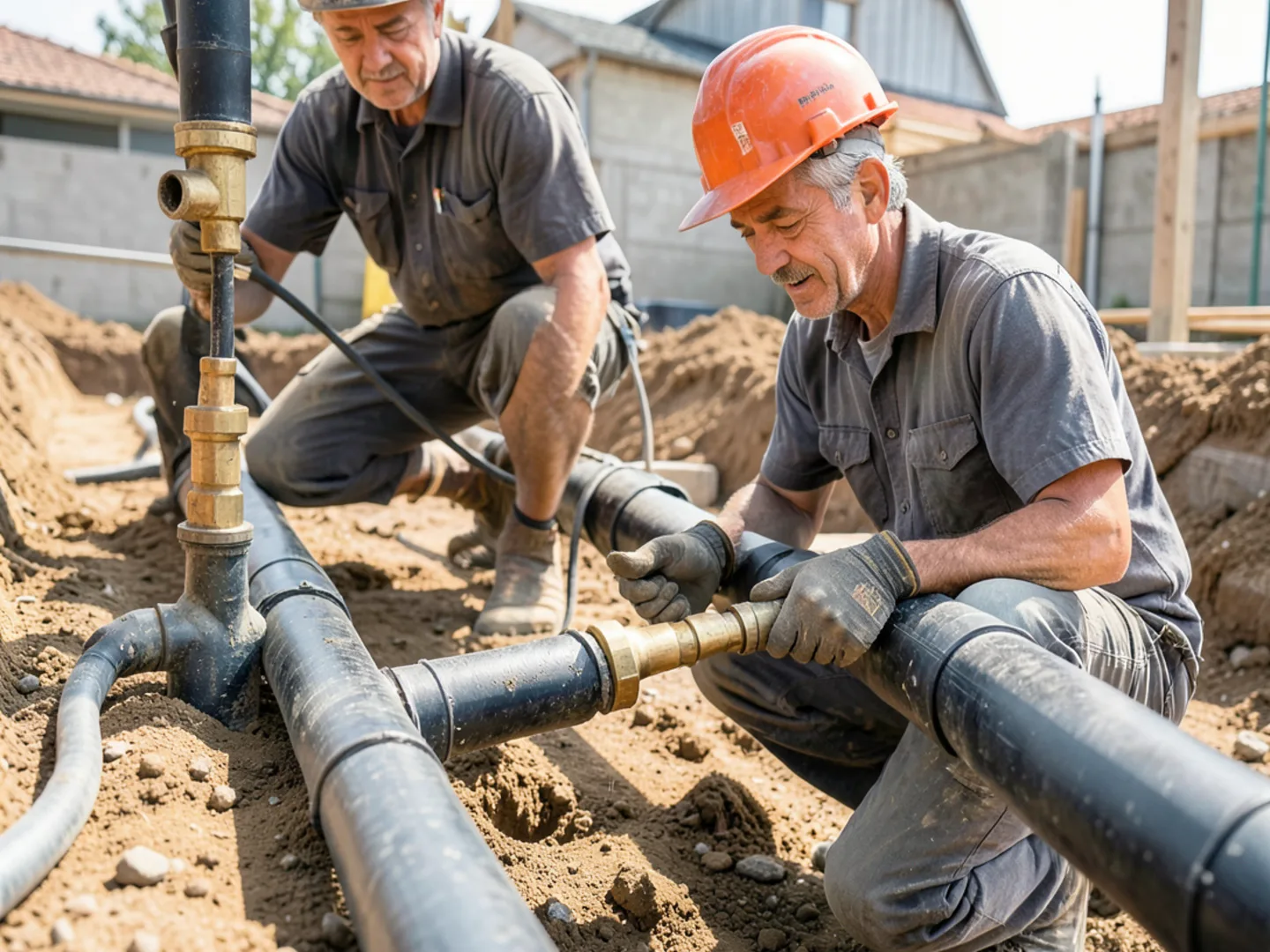
Where underground utility configurations and lateral slope permit, we utilize trenchless pipe-bursting methods. Pipe bursting requires only two small access pits: one near the foundation wall and one at the property boundary or street connection. A hardened steel bursting head is pulled through the old clay or cast iron pipe, fracturing the old line outward into the surrounding soil while simultaneously pulling a continuous, joint-free line of High-Density Polyethylene (HDPE) pipe directly behind it.
Trenchless pipe bursting preserves expensive driveways, mature landscaping, and historic stone retaining walls. Where trenchless methods are not feasible due to severe pipe bellies or significant depth changes, we utilize precision hydraulic mini-excavators to open a clean trench, lay a compacted stone bedding layer, install code-compliant PVC piping with uniform quarter-inch-per-foot pitch, and backfill with proper mechanical compaction.
Ansonia Permitting, Street Excavation, and WPCA Inspections
Replacing a sewer lateral that connects into the public sewer system requires rigorous municipal coordination. As licensed Connecticut master plumbers, we handle all necessary permit applications with the Ansonia Building Department and the Ansonia WPCA.
If excavation extends beyond the curb into the public roadway, we coordinate street opening permits, police traffic details, trench shoring, and asphalt restoration meeting city engineering specifications. Before any trench is backfilled, a formal inspection is conducted to certify proper pipe slope, joint integrity, and cleanout placement.
Understanding Vintage Clay and Cast Iron Lateral Deterioration
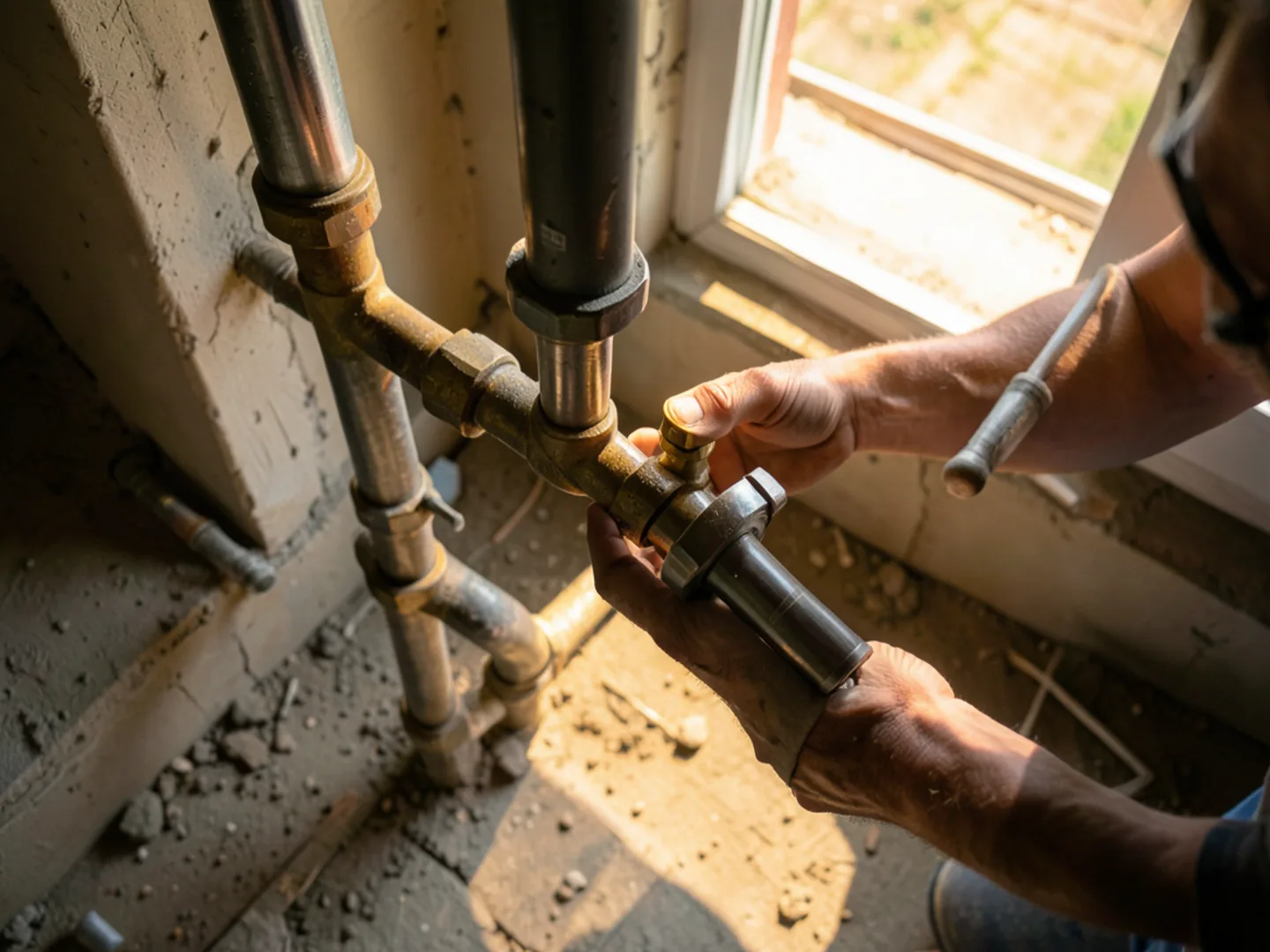
Throughout Ansonia, Derby, and Seymour, residential sewer laterals installed between 1890 and 1960 were constructed from four-foot sections of vitrified clay pipe joined with oakum and poured mortar, or heavy hub-and-spigot cast iron. Over decades of ground settlement and seasonal frost heaving, rigid mortar collars crack and break open.
Mature maples, oaks, and valley pines send microscopic root filaments directly toward the moisture and warm nutrients weeping from these joints. Once inside, root hairs expand into massive root masses that catch solid waste and toilet paper. Additionally, acidic wastewater slowly corrodes the bottom trough of cast iron lines, leading to complete structural failure and ground sinkholes.
Engineering Comparison: Trenchless Pipe Bursting vs. Open Trenching
Trenchless pipe bursting replaces damaged sewer lines with minimal surface excavation. We excavate an entry pit near the basement wall and a receiving pit at the curb line or municipal tap. A pneumatic or hydraulic bursting head breaks the old pipe apart while expanding outward into the soil, pulling a continuous line of High-Density Polyethylene (HDPE) pipe directly into place.
Open-trench excavation is deployed when sewer laterals have experienced severe reverse pitch, dramatic elevation offsets, or significant soil collapse that prevents bursting heads from tracking properly. Our excavation crews operate compact mini-excavators, laser levels, and trench shoring boxes, laying new ASTM D3034 SDR-35 or Schedule 40 PVC pipe on a crushed stone bedding bed.
Frequently Asked Questions: Sewer Line Replacement
Per Ansonia WPCA regulations, the property owner is responsible for the entire sewer lateral from the building foundation out to and including the tap connection at the city sewer main.
Need Fast Help with Sewer Line Replacement?
Contact our licensed plumbers on Main Street in Ansonia. Immediate phone guidance and clear written estimates before work begins.