Managing Plumbing in Older Ansonia Multi-Family Homes
A practical guide for Ansonia landlords and homeowners managing shared cast iron stacks, sub-metering, and winter tenant water protection.
The Structural Complexity of Valley Multi-Family Properties
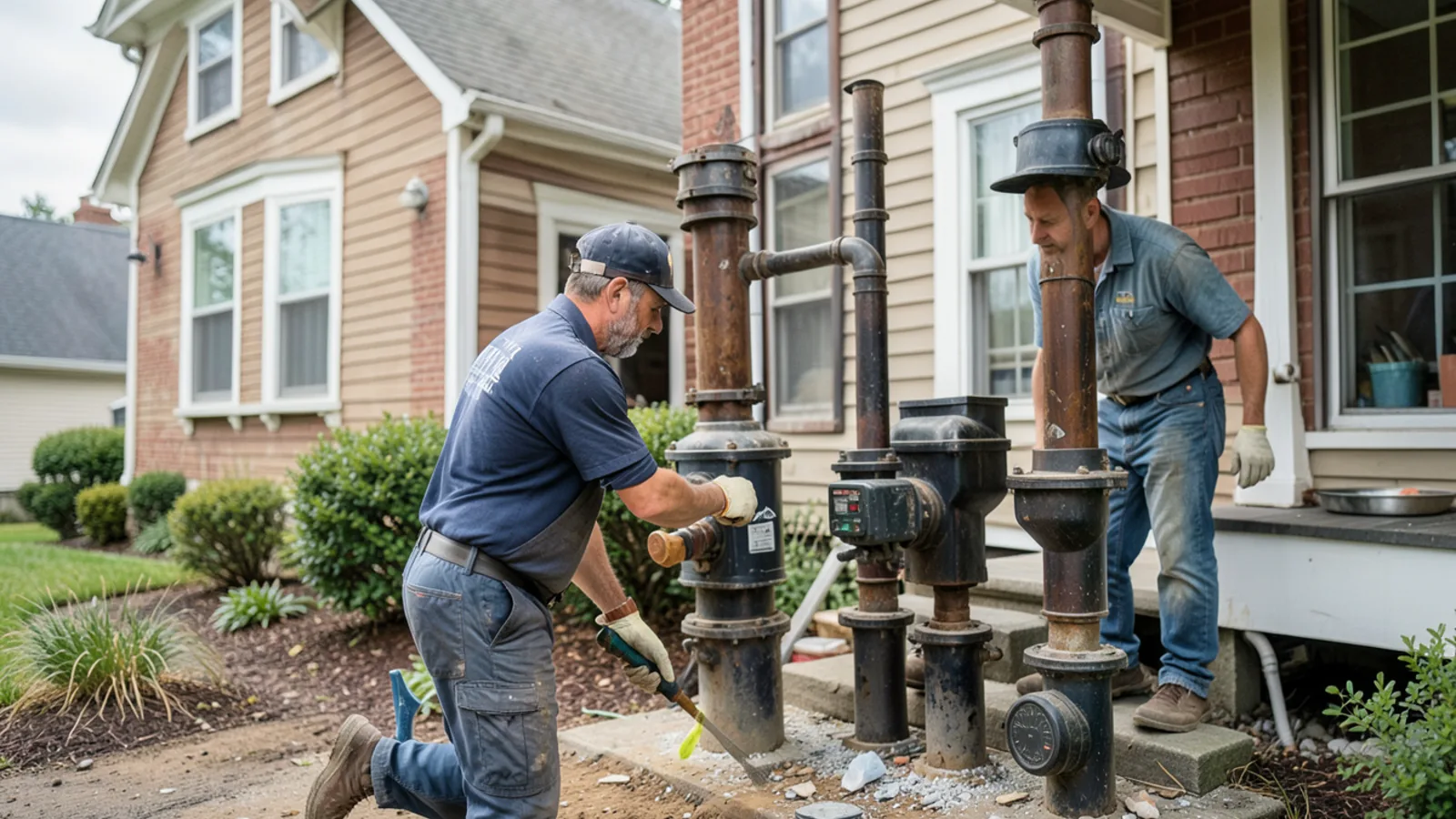
Ansonia and Derby have extensive neighborhoods of historic two-family and three-family homes built between 1890 and 1930 to house mill workers. While these multi-family properties provide valuable residential density, their plumbing infrastructure presents distinct operational challenges for owners and property managers.
Most multi-family buildings were originally plumbed with a single vertical cast iron soil stack serving all floors, single water meters that were later retrofitted, and shared supply trunks that cause severe water pressure fluctuations whenever multiple tenants draw water simultaneously.
Resolving Shared Stack Clogs and Gurgling Drains
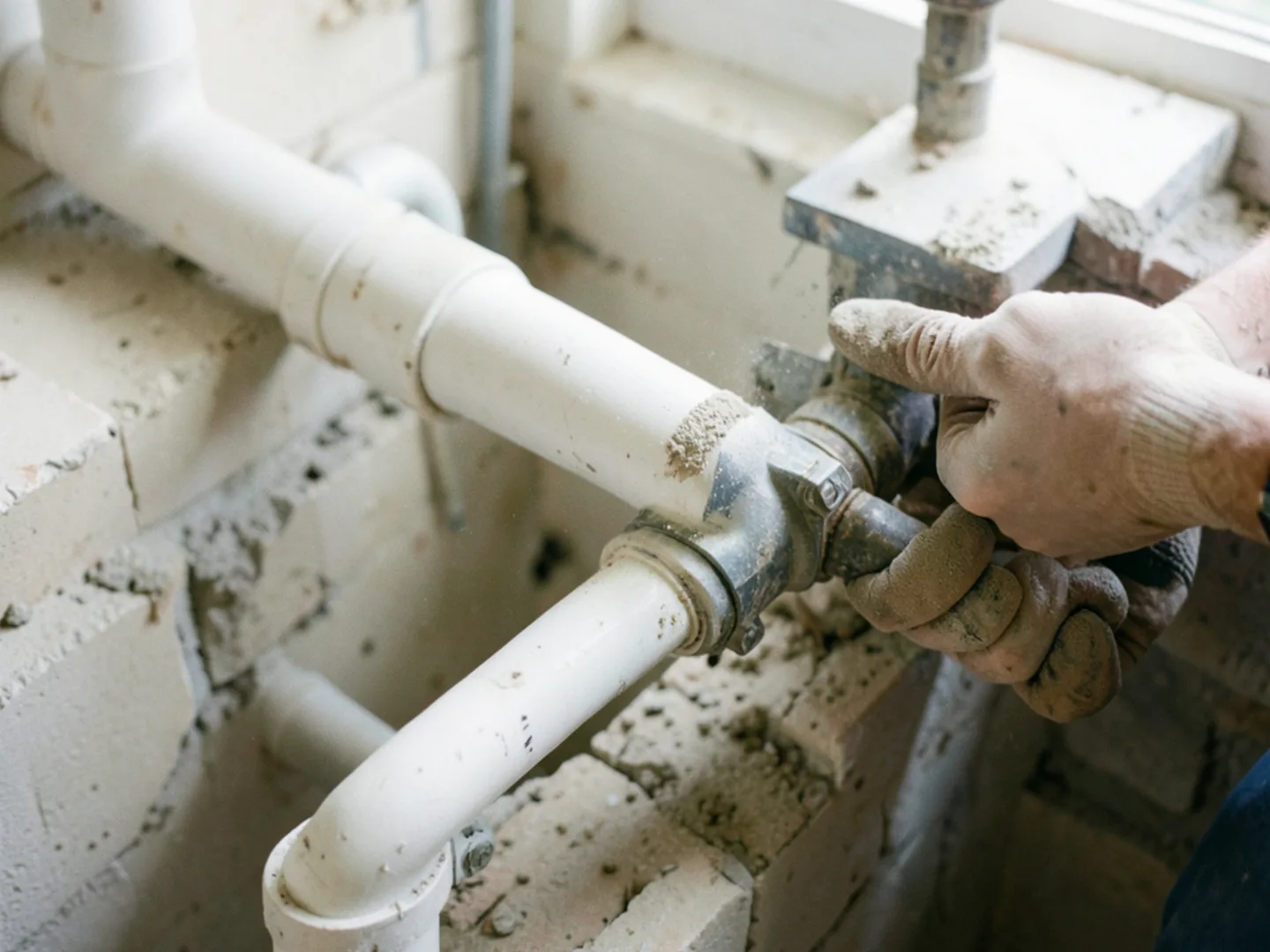
When an upper-floor tenant drains a bathtub or flushes a toilet, air must enter the vertical stack to balance atmospheric pressure. In older homes where stack vents have corroded or become partially choked with rust scale, the rushing wastewater pulls a siphon vacuum on lower-level P-traps.
This causes first-floor sinks and tubs to gurgle loudly and suck trap seals dry, releasing noxious sewer gases into living quarters. We inspect stack venting, clear roof terminals, and install code-compliant cleanouts.
Individual Water Sub-Metering and Pressure Balancing
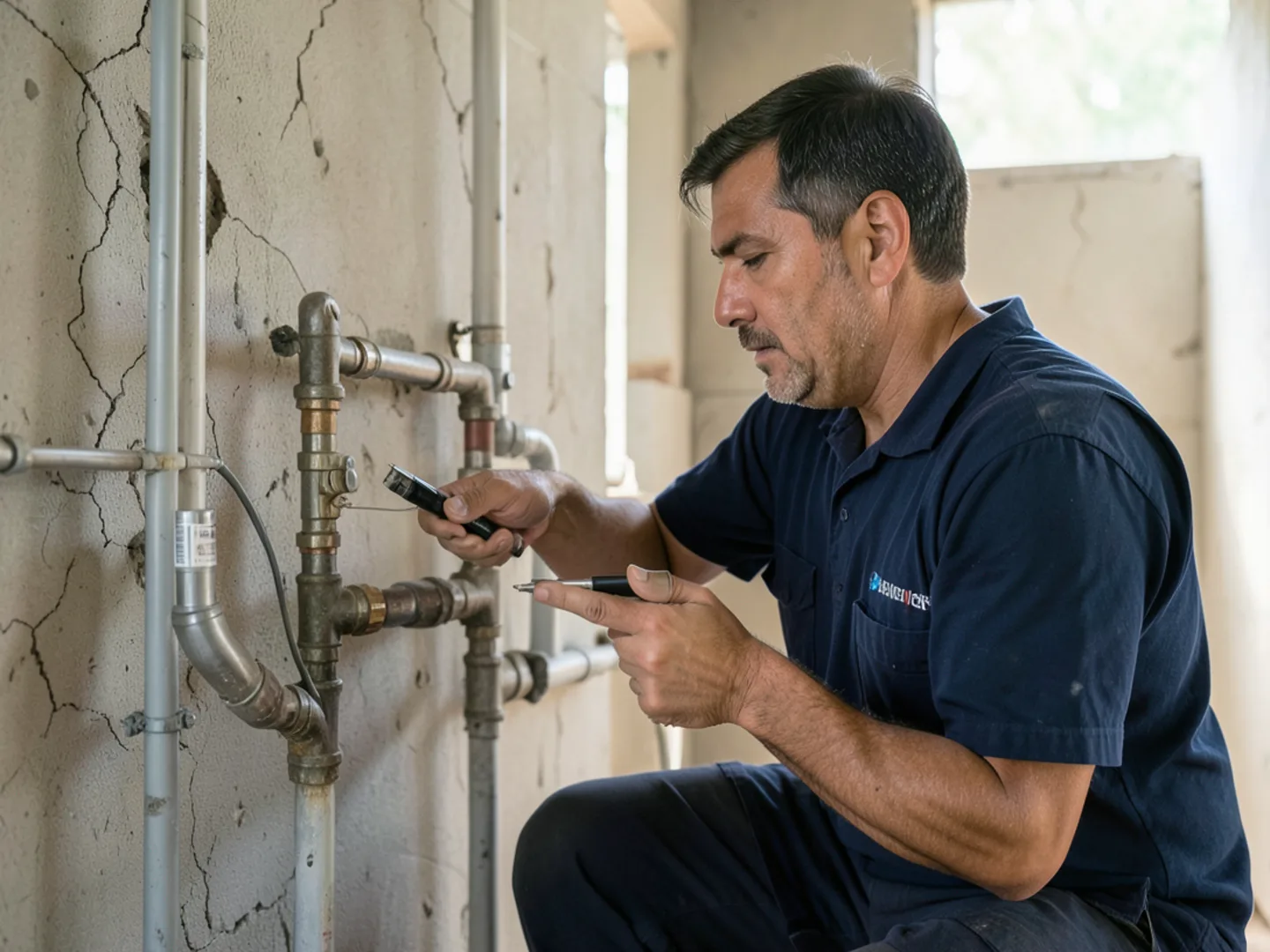
Landlords frequently struggle with high municipal water bills because fixtures in individual units cannot be separately measured. Modern repiping with dedicated Uponor PEX-A home-run lines allows property owners to establish individual tenant shutoff valves and separate sub-meters.